Premium lost wax cast brassware customized for top-tier residential developments and heritage restoration projects across Mumbai, Delhi, and Bangalore.
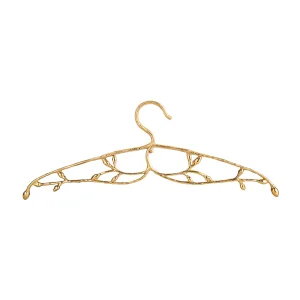
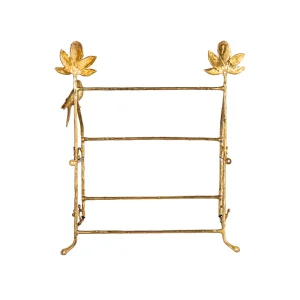
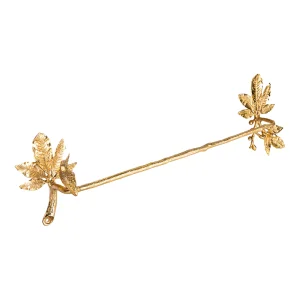
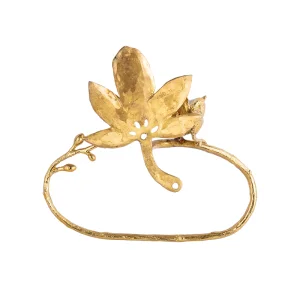
The Indian market for premium sanitaryware and architectural hardware is undergoing a structural paradigm shift. Rapid urbanization, combined with rising disposable incomes and a strong architectural pivot toward high-end residential and commercial estates, has generated unprecedented demand for luxury bathroom installations. Historically reliant on localized sand-casting methodologies, the modern Indian architectural sector now demands higher precision, longevity, and structural integrity.
Geographically, major brassware manufacturing clusters such as Jamnagar (Gujarat) and Aligarh (Uttar Pradesh) have established strong industrial bases. However, as global project standards integrate with domestic Indian specifications, developers and procurement heads are seeking international partnerships. These collaborations bridge local deployment knowledge with advanced lost-wax casting (investment casting) technologies to eliminate common casting defects like microporosity and uneven wall thickness.
Unlike mass-produced zinc-alloy stampings, authentic lost-wax copper and brass castings provide superior corrosion resistance and ductility. This is vital in coastal regions of India (such as Mumbai, Chennai, and Kochi) where ambient humidity and saline conditions accelerate metallic oxidation.
In contemporary Indian real estate developments—led by tier-1 cities such as Bangalore, Delhi NCR, and Pune—developers are shifting from generic Chrome Plating (CP) to physical vapor deposition (PVD) finishes and natural living finishes (like antiqued brass and oil-rubbed bronze). This change directly aligns with global design languages that favor retro-modern, rustic, and neoclassical themes.
Global production metrics suggest that copper-based casting holds a dominant share in the luxury hardware market. By transitioning components from secondary casting alloys to primary copper alloys, manufacturers ensure that architectural installations comply with strict lead-free and high-tensile standards globally.
Established in 2015, Buterfloge represents a convergence of heritage-driven aesthetics and modern precision engineering. Headquartered in Guangdong, China—a global hub for precision metalworking—the company combines classic, refined, and neoclassical designs with standard high-end CNC machining. This structural integration ensures that every hand-crafted piece maintains the tight tolerances required by modern plumbing connections.
Our core product lines range from architectural hardware, solid copper handicrafts, and ceramic ornaments to comprehensive bathroom solutions. Through our flexible ODM/OEM workflows, Buterfloge supports boutique distributors, high-end hospitality chains, and royal residences worldwide. By selecting raw materials with exceptional purity and utilizing the lost-wax casting technique, we produce hardware that serves as functional art.
"A retro bathroom product and fragrance can bring me back to good memories," shares Rona Chu, founder of Buterfloge. Drawing inspiration from classic antique aesthetics and her grandmother's elegant bathroom routines, Rona envisioned a line of products that balances timeless European curves with modern performance. This philosophy translates into hardware that feels substantial, operates smoothly, and retains its visual appeal over decades of use.
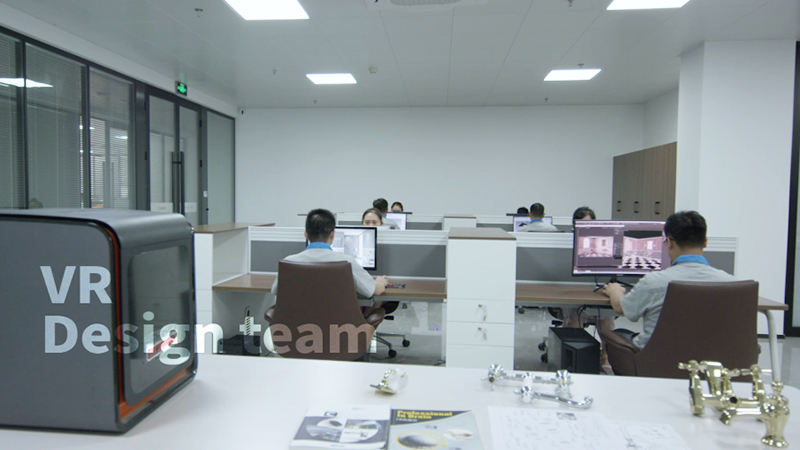
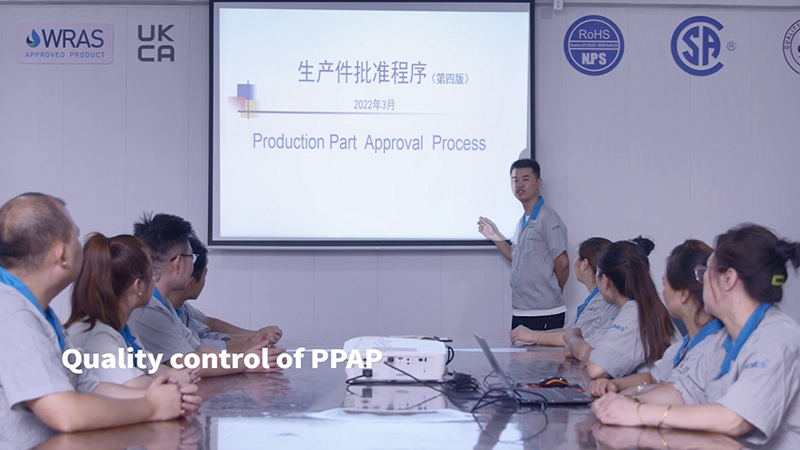
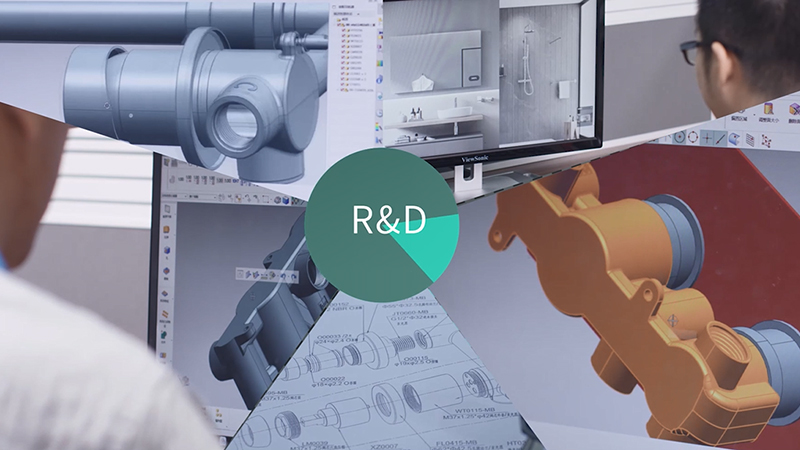
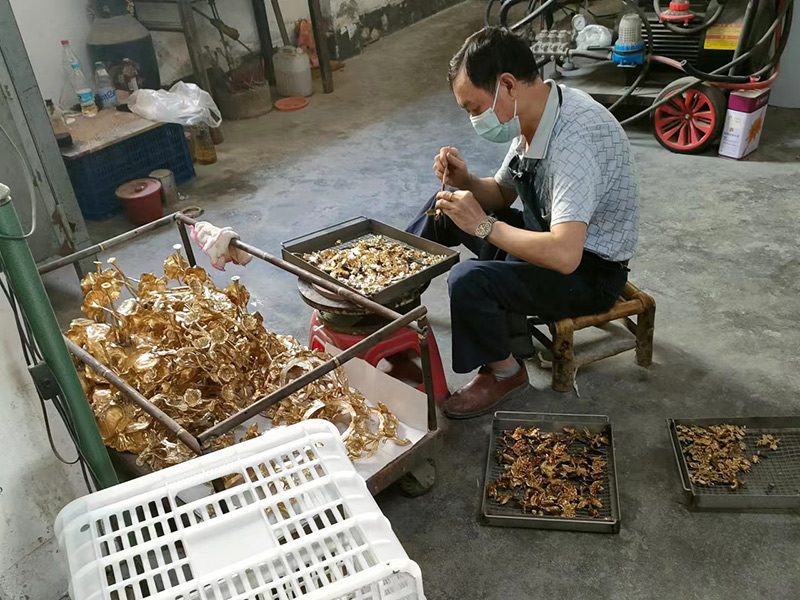
Lost-wax casting (investment casting) provides unique dimensional control and surface finish capabilities compared to traditional sand molds. In our facility, the process utilizes high-temperature tooling and modern ceramic slurries to achieve uniform density. Below is our engineering roadmap for every premium brass and copper casting:
Step 1: 3D CAD Modeling & Simulation: Every component, whether a single towel rack or a complex double toothbrush holder, begins as a digital model. Solidification simulation software is used to predict hot spots and shrinkage defects prior to tooling.
Step 2: Precision Wax Injection: High-grade wax is injected into CNC-machined aluminum molds. The wax patterns are assembled into trees to optimize runner efficiency and metal flow.
Step 3: Shell Building: The wax assembly is dipped into a specialized ceramic slurry and coated with fine silica sand. This process is repeated 5 to 7 times to build a durable ceramic shell.
Step 4: Dewaxing & Preheating: Shells are placed in a steam autoclave where the wax is melted out. The empty shells are then fired at temperatures exceeding 900°C to sinter the ceramic and remove organic residue.
Step 5: Vacuum-Assisted Pouring: Premium brass or copper alloys are induction melted and poured under precise thermal monitoring. The hot metal fills the micro-cavities, replicating the organic curves of the original design.
Step 6: Shell Removal & CNC Post-Processing: After cooling, the ceramic shell is vibrated off. The cast elements are cut, shot-blasted, and routed to standard CNC machines for threading, milling, and polishing.
For luxury Indian hospitality projects, Buterfloge offers a modular engineering package. We customize the mounting interfaces of our neoclassical accessories (such as toilet handrails, hooks, and sink frames) to fit local brickwork, drywall profiles, and plumbing configurations. This reduces installation times on site.
A visual insight into the production, assembly, and finishes of our luxury neoclassical collections.
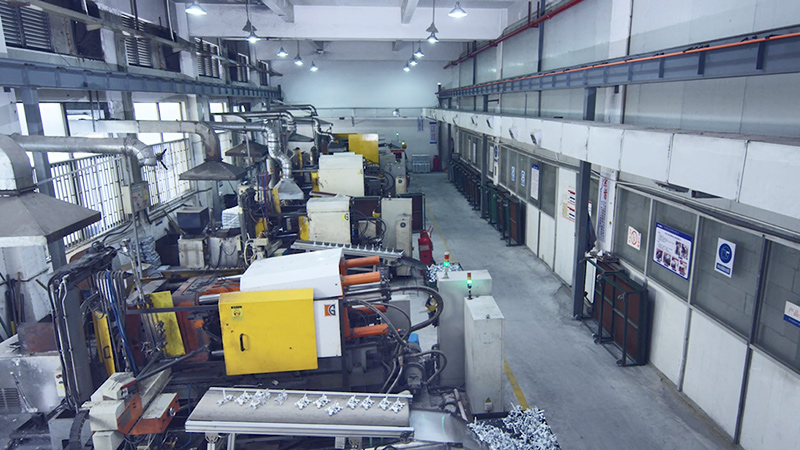
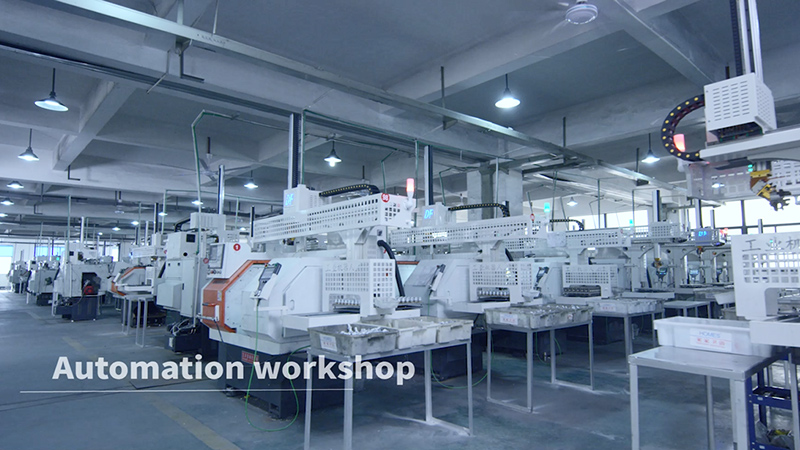
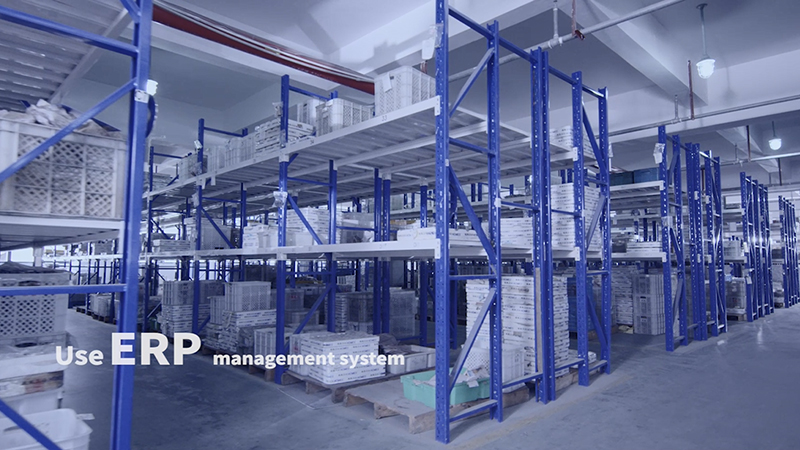
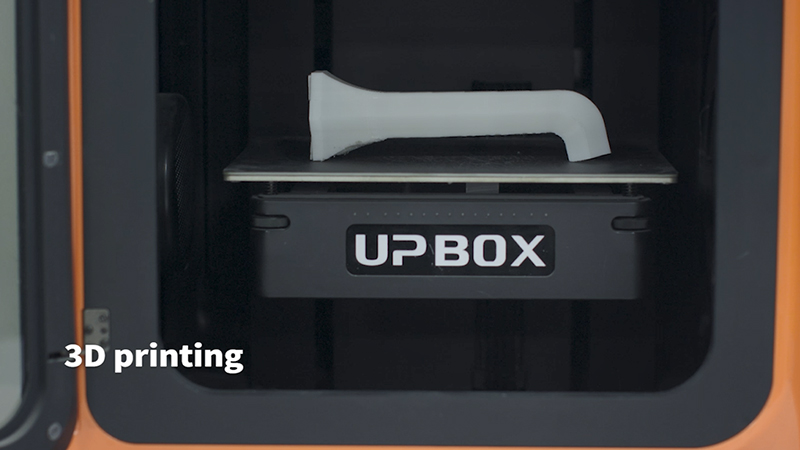
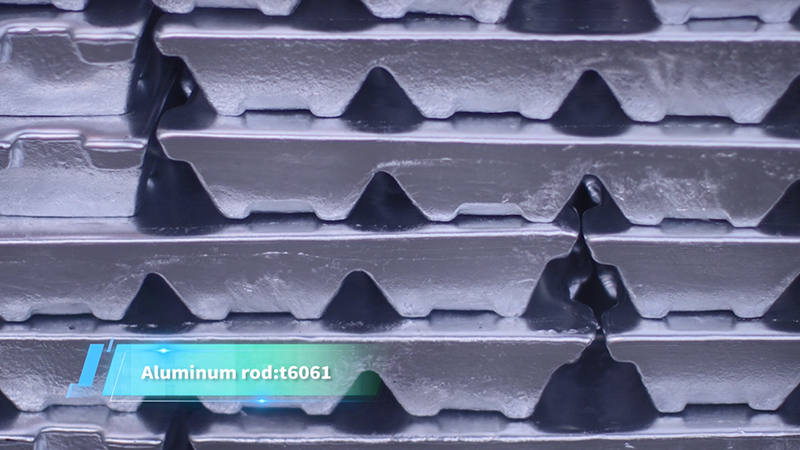
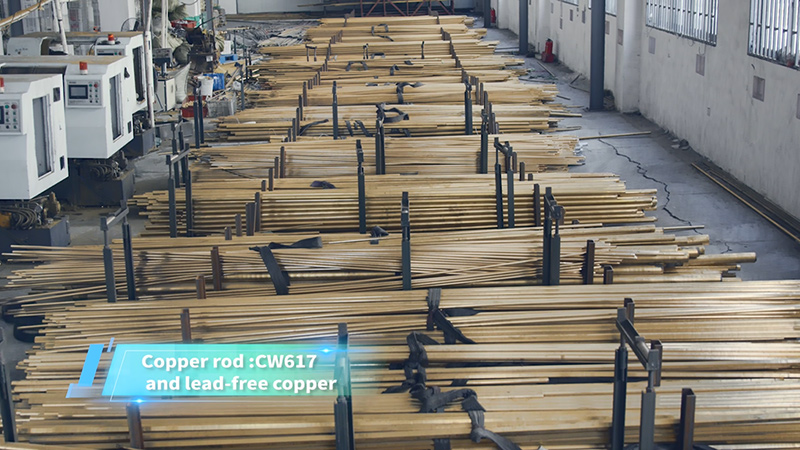
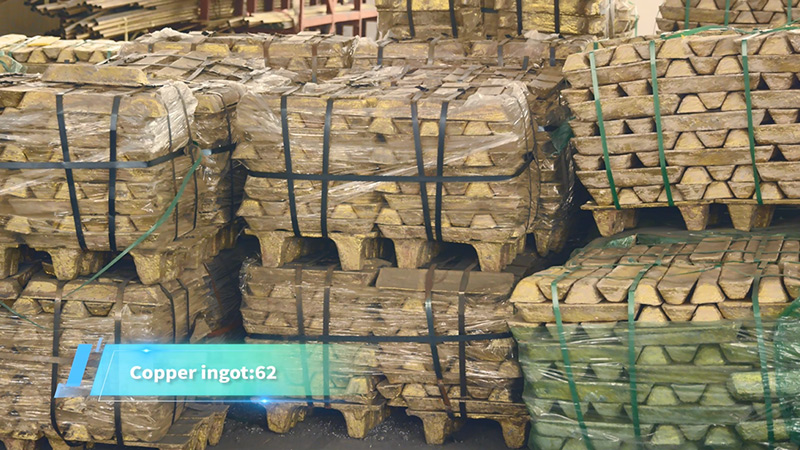
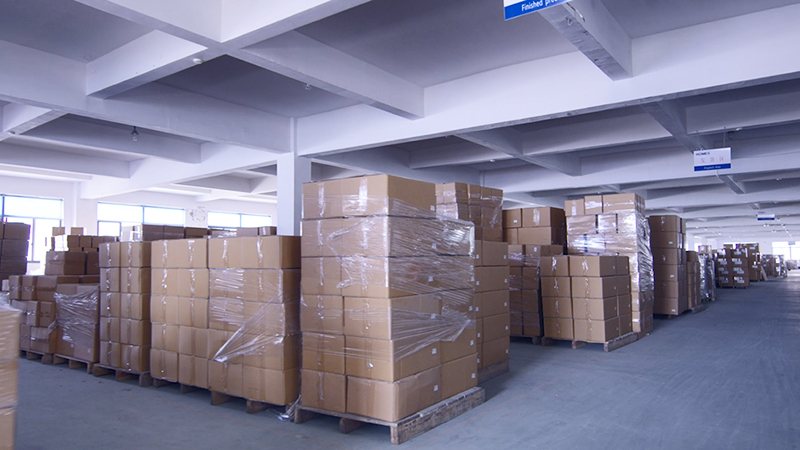
Explore our structural solutions engineered for luxury high-rises and heritage properties throughout the Indian subcontinent.


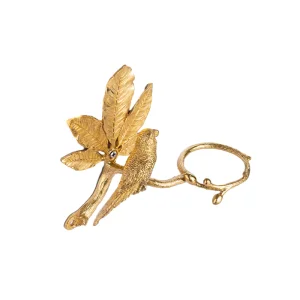
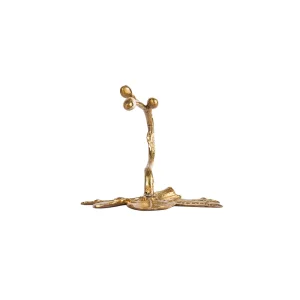
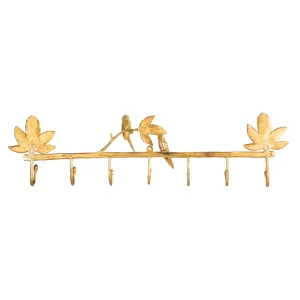
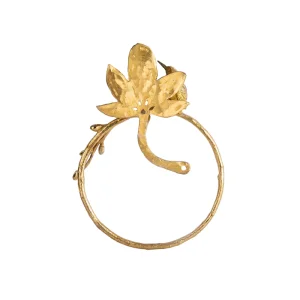
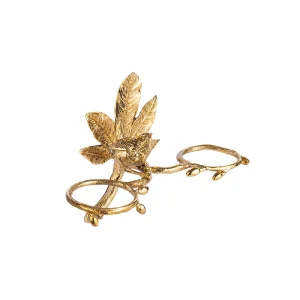
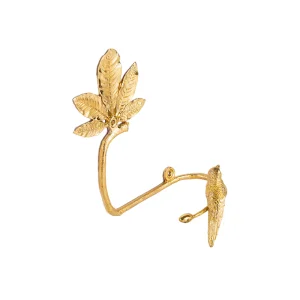
The signature look of our collections is characterized by classical European design elements, which find a natural counterpart in the heritage architecture of the Indian market. From the colonial-era estates in Kolkata and Goa to premium retro-chic resorts in Rajasthan, these vintage aesthetics require authentic materials that age naturally.
By working with solid brass and copper instead of low-cost zinc, Buterfloge ensures that these installations develop a natural patina over time. For developers who prefer a consistent look, our state-of-the-art PVD and powder-coating lines offer durable finishes that resist abrasion and household chemicals.
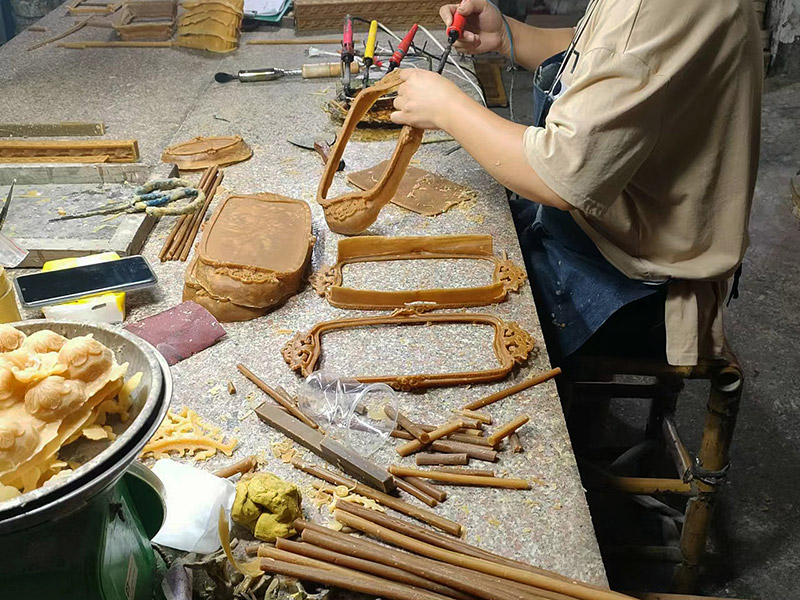
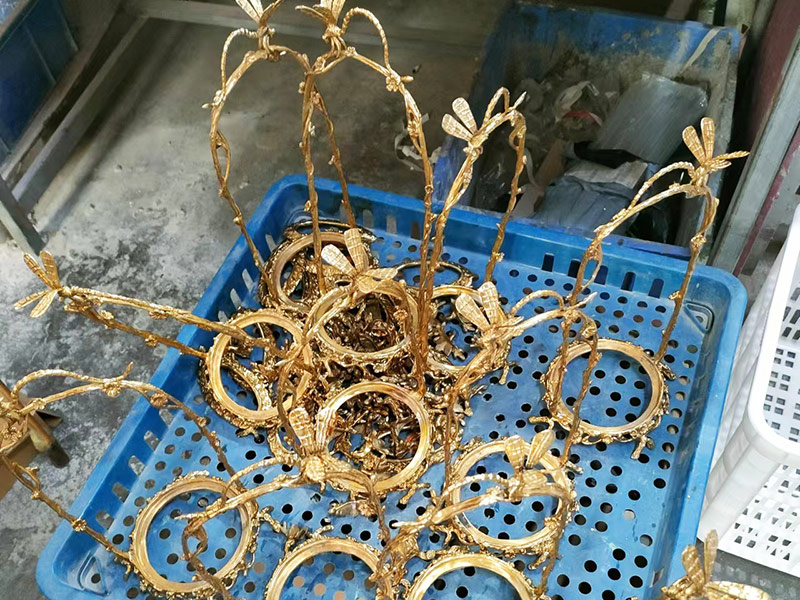
In-depth insights into engineering standards, customizations, and supply chain logistics for Indian real estate projects.
Lost-wax casting provides superior surface detail, dimensional accuracy, and structural density. Sand casting often leaves surface roughness and internal microporosity, which can lead to high-pressure leaks and plating defects when subjected to hard municipal water conditions in Indian urban developments.
We use high-purity copper-zinc alloys, including low-lead alternatives like C37700 and C89833. These materials comply with international green building standards (such as IGBC in India and LEED globally) by ensuring that lead leaching levels remain well within safe limits.
We offer full OEM and ODM services. Our facility can engrave project logos, customize dimensions to match specific architectural profiles, and develop custom metal finishes. We also supply supporting CAD files and mock-ups for architectural sign-offs.
Located in Guangdong, we leverage the transport infrastructure of the Pearl River Delta to offer direct container shipping to major Indian sea portals, including Nhava Sheva (Mumbai), Chennai, and Mundra. Standard transit times are highly competitive, and our logistics team handles all necessary export documentation.
 Buterfleoge