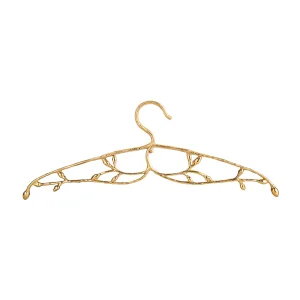
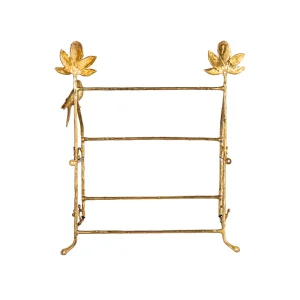
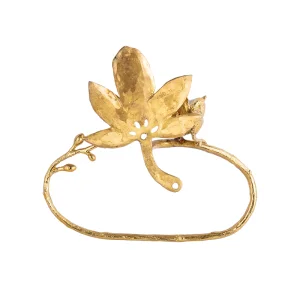
Engineered through precision lost-wax casting methods to ensure lifetime structural integrity against high humidity and coastal corrosion.
Analyzing challenges, environment, and procurement realities for West Africa's largest construction market.
Nigeria's real estate and construction sectors continue to exhibit robust expansion, fueled by structural urbanization in economic centers such as Lagos, Abuja, Kano, and Port Harcourt. Major landmark developments, including Eko Atlantic City, luxury residential towers in Ikoyi and Victoria Island, and master-planned public sectors in the Federal Capital Territory (FCT), demand high-quality finishings that match global standards. Crucial to this aesthetic and functional target is premium bathroom sanitary ware.
However, the West African climate poses immense physical challenges. Coastal cities like Lagos face extremely high humidity levels and atmospheric salinity, which act as rapid catalysts for oxidation. Standard zinc alloy or thin-plated steel hardware rapidly deteriorates under these conditions, leading to pitting, structural compromise, and localized rust within a few months of installation. For project managers, MEP contractors, and developers, selecting the wrong materials results in expensive post-occupancy replacements, legal liabilities, and compromised developer brand reputation.
In regions within 15 kilometers of the Atlantic coast (including Lekki Phase 1, Victoria Island, and Ikoyi), salt spray combined with an average humidity of 80-90% accelerates chemical degradation of sanitary fixtures. Only materials with high chemical passivity, such as premium lost-wax cast copper and dezincification-resistant (DZR) solid brass, are able to deliver a 15+ year lifespan without surface tarnishing or structural cracking.
Water scarcity and electrical grid-independent plumbing systems in Nigeria necessitate the use of heavy-duty, highly reliable bathroom accessories that resist scale build-up. In many private and commercial complexes, underground borehole systems are deployed. While these water systems undergo filtration, the water remains mineral-rich and hard. Low-grade faucets and metallic accessories succumb to internal limescale buildup, which restricts flow and degrades internal seals. As developers transition toward sustainable, LEED-certified and green building compliance, ensuring durable, lead-free brass bathroom components from certified factories becomes an absolute procurement mandate.
 Buterfleoge