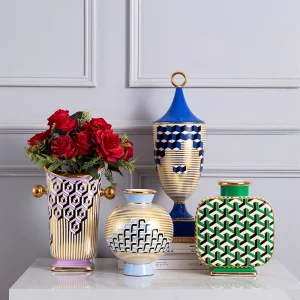
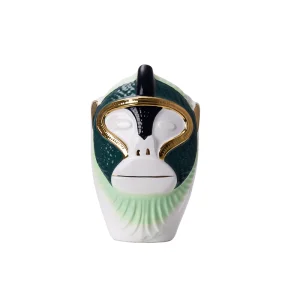
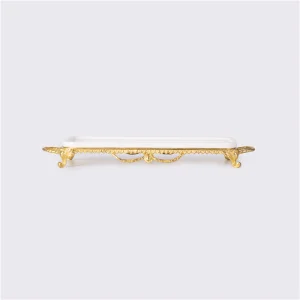
Explore our top-performing custom engineered systems, neoclassical ceramic artware, and architectural bathroom fixtures engineered for commercial and high-end residential spaces.
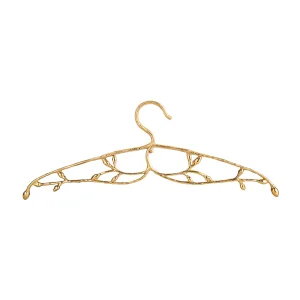
How technical advancements in anti-bacterial surfaces, ergonomic handle casting, and magnetic self-locking holders are redefining commercial sanitary hardware.
Historically categorized as a low-involvement utility item, the humble toilet brush is undergoing a profound design and chemical engineering revolution. Driven by rapid transformations in hospitality hygiene standards, residential architectural layouts, and global wellness shifts, modern commercial buyers view this accessory through the prism of ergonomics, sustainability, and longevity.
The core transformation revolves around the transition of materials. For decades, traditional low-cost nylon bristles dominated the market, bringing challenges such as bacterial colonization, structural deformation, and liquid absorption. Today, high-end OEM manufacturers utilize Thermoplastic Rubber (TPR) and food-grade silicone-hybrid cleaning heads. These materials exhibit hydrophobic properties, preventing water droplet accumulation, and are structurally resilient to deep chemical sanitizing agents. Additionally, the development of D-shaped flexible brush heads allows sanitation crews to seamlessly clean under-rim areas that standard hemispherical brushes cannot access.
Innovative silver-ion (Ag+) integration embedded in both the TPR brush head and the polymer housing prevents 99.9% of bacterial replication, aligning with clinical healthcare standards.
Premium designs implement magnetic self-centering mechanisms that suspend the brush body inside the canister, facilitating rapid gravity-drainage and evaporation.
Integrated dynamic vents in the holder use ambient air currents to accelerate drying, preventing damp environments and odor buildup.
Key performance indicators, testing parameters, and compliance standards global procurement officers must mandate when selecting toilet brush exporters.
When volume buyers in hotel networks, commercial office buildings, and retail chains manage requests for proposal (RFPs) for sanitation hardware, they evaluate suppliers on performance and cost lifecycle metrics. Low initial unit costs frequently translate into high replacement overhead, particularly in high-traffic commercial environments. Strategic buyers base their choices on several technical metrics:
| Procurement Factor | Technical Baseline Requirement | Business Impact / ROI Metric |
|---|---|---|
| Salt Spray Corrosion Resistance | ISO 9227 Neutral Salt Spray (NSS) test: > 96 Hours without rust | Prevents canister degradation in high-humidity bathroom environments |
| Bending & Tensile Strength | Stainless steel rod wall thickness ≥ 0.8mm; tensile resistance > 250N | Eliminates snapping or bending under intensive industrial use |
| Chemical Tolerance Range | Resistant to pH 1–13 (highly acidic lime scale removers to alkaline bleach) | Allows compatibility with a wide array of municipal sanitizing chemicals |
| Environmental Certification | REACH & RoHS compliant plastics; BPA-free polymers | Ensures compliance with European Union import mandates and corporate green initiatives |
Beyond material durability, customization constitutes a key element of modern procurement. Exporters must offer rapid prototyping cycles, laser-etched brand integration, customized rod lengths matching varying national height preferences, and customizable retail packaging ready for distribution. Sustainable logistics design, such as nested packaging configurations to minimize container volume, also plays a critical role in mitigating global freight expenses.
Inside Guangdong's high-tech production nodes: Balancing automated CNC precision with flexible manufacturing.
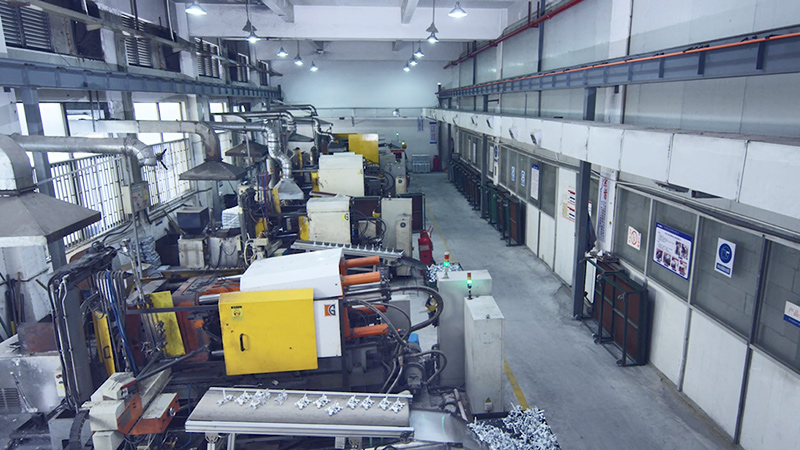
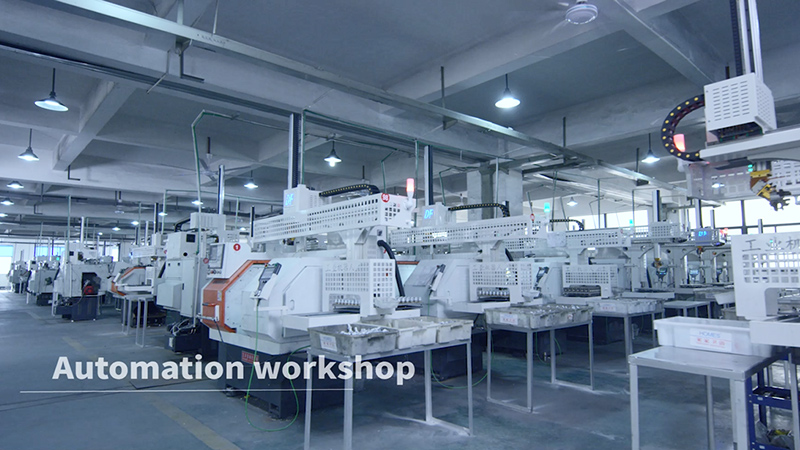
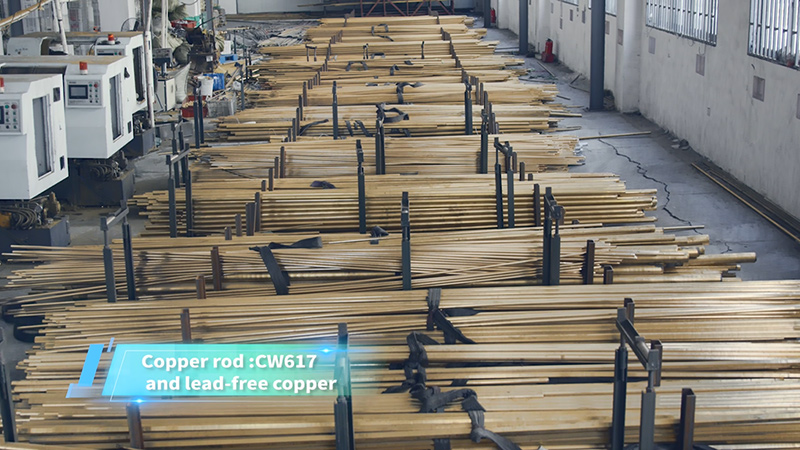
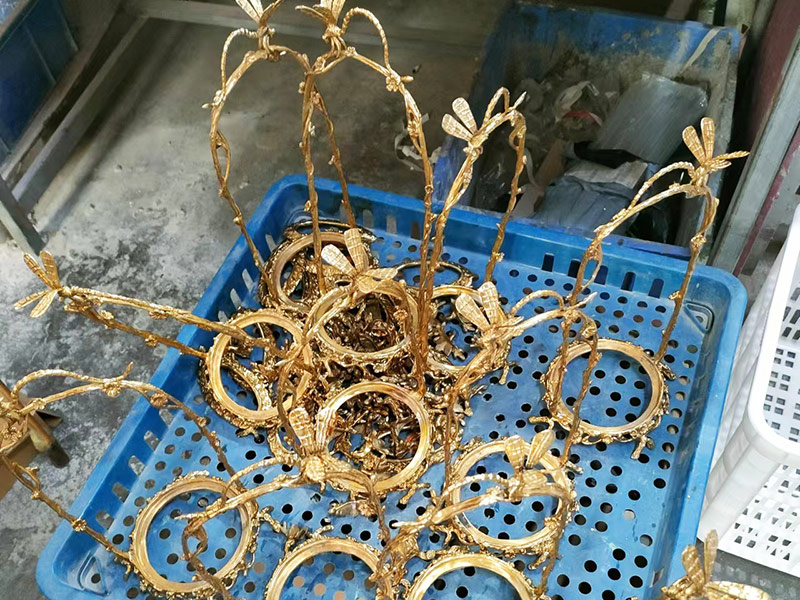
China's sanitary ware capital in Guangdong Province has evolved from a traditional assembly-line hub into an advanced ecosystem of automated smart factories. By integrating CNC precision machines, robotic arm metal casting, and automatic plastic injection molding, these modern facilities guarantee precision output at scale.
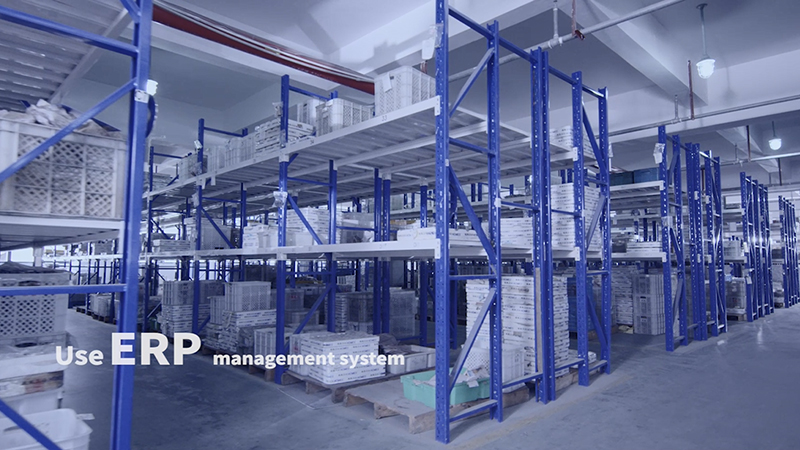
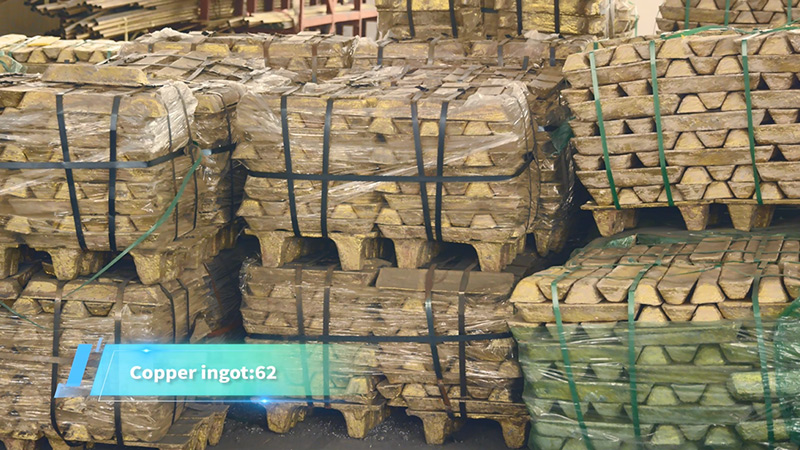
This Factory 4.0 transition is crucial for addressing global supply chain uncertainty. When a distributor places an order, the factory's ERP system dynamically schedules raw material intake, ensuring consistent supply of brass, stainless steel, and polymers. The high level of automation reduces human error, bringing defect rates down to under 0.05%.
Additionally, these advanced production setups enable agile manufacturing. Tooling and molds can be swapped quickly to accommodate smaller custom product runs without causing prolonged downtime, allowing brands to transition from design to market-ready product in weeks rather than months.
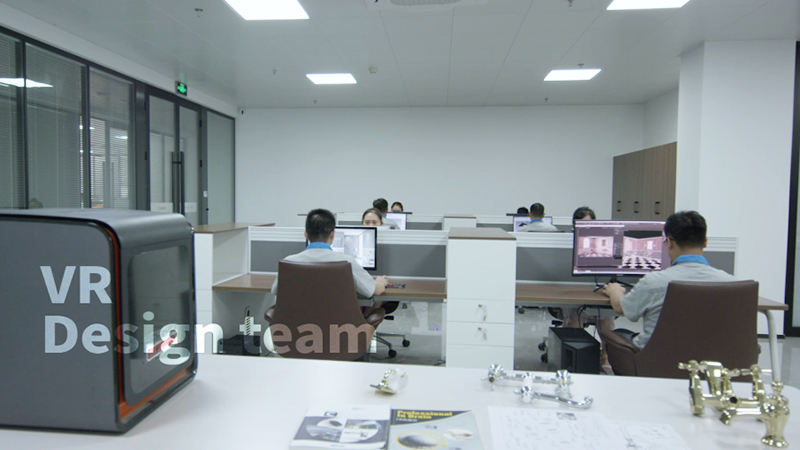
Blending neoclassical aesthetics with high-performance manufacturing, Buterfloge delivers premium sanitary solutions globally.
Buterfloge (also referred to as Buterfleoge in production nodes) is an integrated brand and creative platform established in 2015, integrating R&D, innovation, and customization. The company is based in Guangdong, China. In the field of classic, refined, retro, and elegant furniture styles, it combines modern, natural and comfortable humanistic concepts to create a unique neoclassical aesthetic.
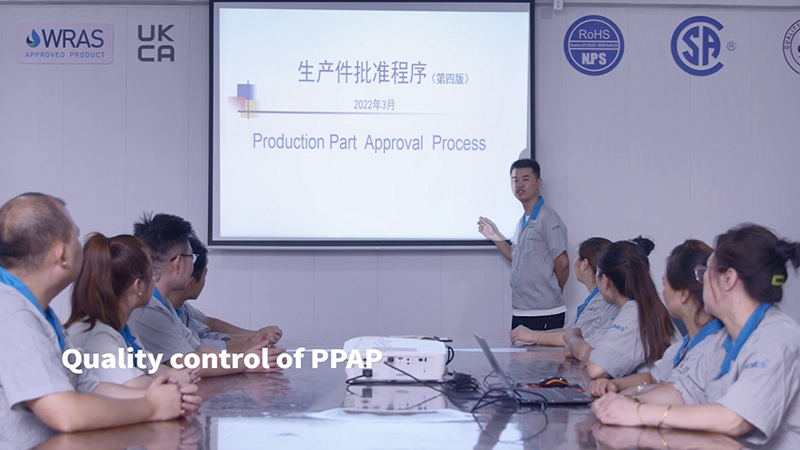
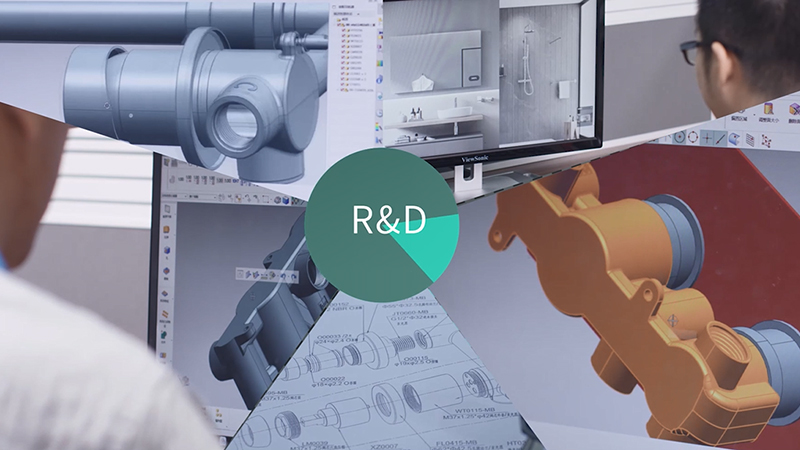
Buterfloge has the ability to quickly produce new products, deliver logistics, have independent designer research and development, standard workshop high-end CNC equipment and strong production capacity, and provide distribution, agency and retail services. We select every high-quality product with exquisite workmanship and cultural heritage. We collect high-quality light and luxurious craft treasures with unique noble style and exquisite manufacturing technology, as well as provide overall kitchen & bathroom solutions. Our plans are favored by successful people, royal families, and hotels from all over the world.
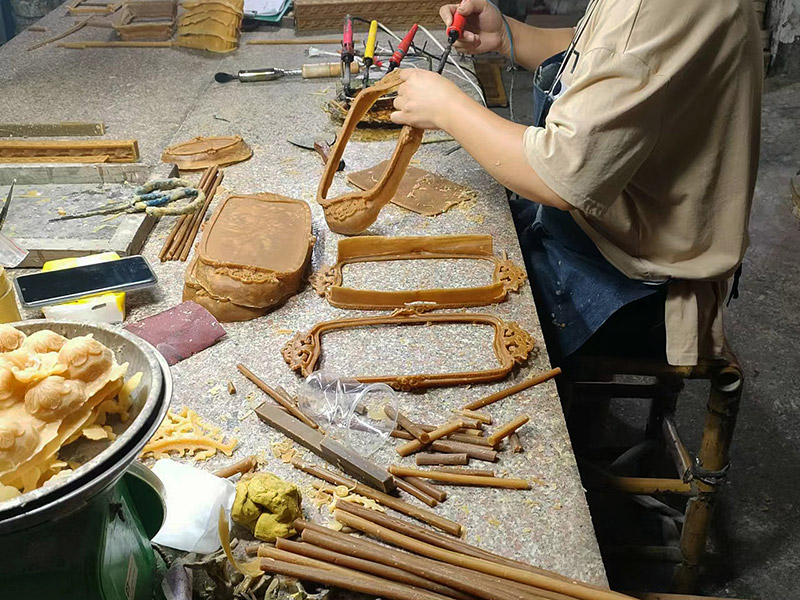
Our comprehensive product portfolio includes: overall bathrooms, copper handicrafts, ceramic ornaments, textile products, daily chemical products, and high-performance commercial cleaning hardware. This breadth of capability allows us to act as a single-source partner for complex boutique hotel contracts and global retail supply chains alike.
Founder Rona Chu loves classic antique bathroom designs and shabby chic home styles. "A retro bathroom product and fragrance can bring me back to good memories," Rona recalls. "I remember my grandmother who always spent hours in the bathroom every day, and the impression she brought me is also the inspiration for my brand."
Inspired by the elegance of 1980s slip dresses, natural grace, and noble floral curves, Buterfloge creates products that carry a toned, artistic song. We encourage people to remain decent, confident, and charming while pursuing what they believe is truly worth it.

Analyzing the environmental demands across high-traffic transport hubs, healthcare facilities, and luxury high-rise developments.
High-end hotels require clean designs that prevent water pooling and complement high-end marble finishes, while standing up to daily cleaning cycles.
Hospitals demand non-porous handles and brush heads with integrated antimicrobial properties to prevent bacterial growth and cross-contamination.
Transit hubs and municipal properties require anti-vandalism features, secure wall-mount assemblies, and heavy-gauge steel structures to withstand high usage.
By understanding these diverse settings, professional suppliers can configure the correct balance of materials and hardware designs. For example, wall-mounted setups are often preferred in public spaces because they leave floor surfaces clear, simplifying the work of automated floor scrubbers and reducing cleaning times.
Tailoring product designs to match local habits, home sizes, and regulatory standards around the world.
North American buyers generally prefer heavy, freestanding designs in brass or stone, which add stability to open bathroom layouts.
European buyers strongly prefer wall-mounted, space-saving designs in matte black or brushed steel finishes to keep bathroom floors clear.
East Asian markets prefer compact, concealed designs with integrated storage to suit smaller urban residential layouts.
Answers to common operational, material, and logistics questions from professional sanitary ware buyers.
For standard designs with custom logo laser engraving or color packaging variations, our baseline MOQ typically starts at 1,000 units. For completely custom designs requiring new injection molds or cast components, the MOQ is generally 3,000 units to offset initial tooling and configuration costs.
Thermoplastic Rubber (TPR) heads offer several key advantages: they are non-porous, prevent liquid accumulation, and do not trap dirt. Because they are wear-resistant, they do not deform over time, meaning they last up to three times longer than standard nylon alternatives.
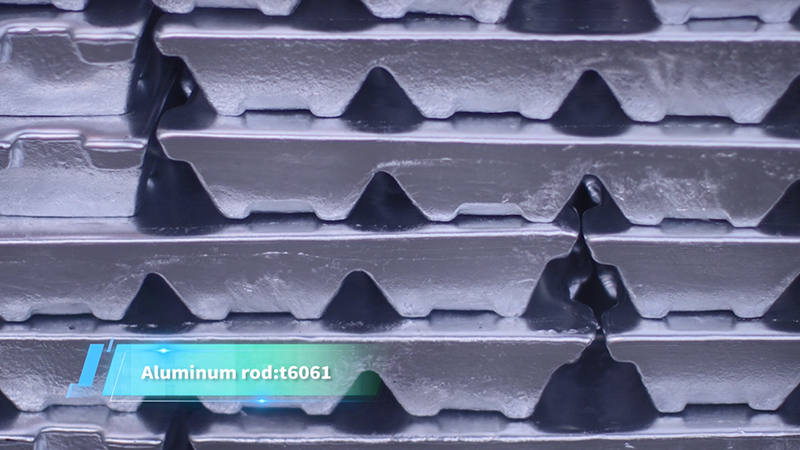
We utilize premium materials, including SUS 304 stainless steel, solid brass, and multi-layer electroplated finishes. All components undergo a 96-hour neutral salt spray test to ensure long-term durability and prevent oxidation in humid bathroom settings.
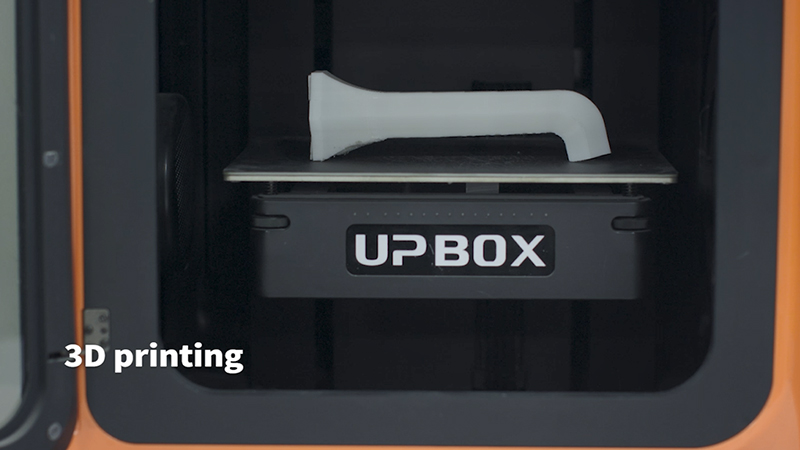
Using our integrated 3D CAD modeling and onsite rapid prototyping facilities, we can provide physical design mockups within 48 to 72 hours. Once the design is approved, manufacturing and shipping finalized test samples typically takes 7 to 10 working days.
Yes, our design team can develop custom retail packaging, including eco-friendly kraft boxes, printed gift sleeves, nested boxes, and retail display stands. This ensures products arrive retail-ready and optimized to minimize shipping volume.
Browse our extended catalog of premium ceramic artware, custom storage options, and decorative home accessories.
 Buterfleoge