Explore our elite selection of OEM and ODM custom architectural elements, precision brass bases, and handcrafted fixtures.
In contemporary high-end architecture and hospitality engineering, drapery systems play a pivotal role that transcends basic aesthetics. Within these configurations, brass curtain clips function as critical mechanical load-bearing connections. Across global supply chains, copper-alloy drapery components have evolved from simple ornamental hardware into highly engineered architectural elements. Because premium hospitality and commercial developments demand hardware that can withstand frequent mechanical stress, high humidity, and chemical cleaning cycles, solid brass remains the material of choice for specifications worldwide.
The global brass drapery hardware market has experienced significant structural expansion. Driven by the expansion of luxury hospitality complexes in the Asia-Pacific region, boutique residential renovations in Western Europe, and ultra-high-net-worth (UHNW) real estate developments in North America, standard mass-market alloys are increasingly replaced with specialized ODM (Original Design Manufacturing) brass compositions. Engineers choose brass for its favorable metallurgical properties: high structural integrity, natural antimicrobial performance, low coefficient of friction when paired with steel rod systems, and excellent resistance to localized dezincification.
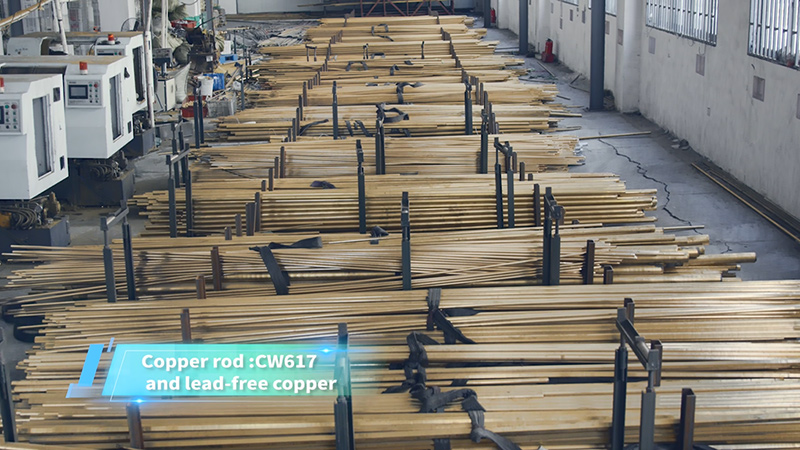
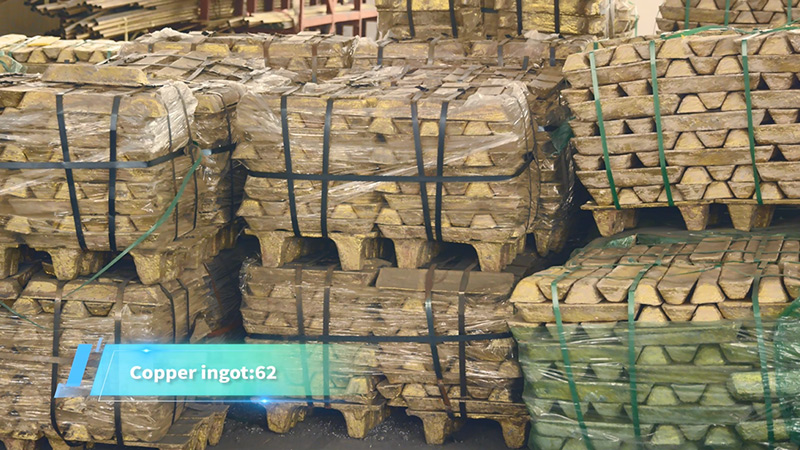
When selecting brass curtain accessories for heavy commercial applications, the alloy's chemical profile directly dictates its durability. Standard low-tier manufacturing facilities often employ zinc-rich brass blends susceptible to stress corrosion cracking (SCC). Our ODM manufacturing framework utilizes strictly controlled brass grades, predominantly C36000 (Free-Cutting Brass) for high-tolerance CNC lathe operations and C83600 (Leaded Red Brass) for lost-wax cast components, balancing mechanical strength with corrosion resistance.
| Alloy Standard | Copper Content (%) | Zinc Content (%) | Tensile Strength (MPa) | Corrosion Resistance Index | Primary Production Process |
|---|---|---|---|---|---|
| C36000 (ASTM B16) | 60.0 - 63.0% | Remainder (35-37%) | 340 - 470 | Excellent (Urban/Dry Indoors) | Precision CNC Turning & Machining |
| C26800 (Yellow Brass) | 64.0 - 68.5% | 31.5 - 36.0% | 370 - 520 | Very Good (Indoor Architectural) | Stamping, Cold Forging & Forming |
| C83600 (Red Brass / Bronze) | 84.0 - 86.0% | 4.0 - 6.0% | 200 - 270 | Superior (Coastal & Wet Environments) | Lost-Wax Investment Casting |
By utilizing lead-free and low-lead copper formulations like bismuth brass or silicon brass, manufacturers satisfy strict international environment and health directives (including California AB 1953 and EU REACH legislation). These advanced alloys maintain a high yield strength, ensuring clip jaws exert a reliable clamping force (exceeding 85 Newtons) over decades of continuous duty.
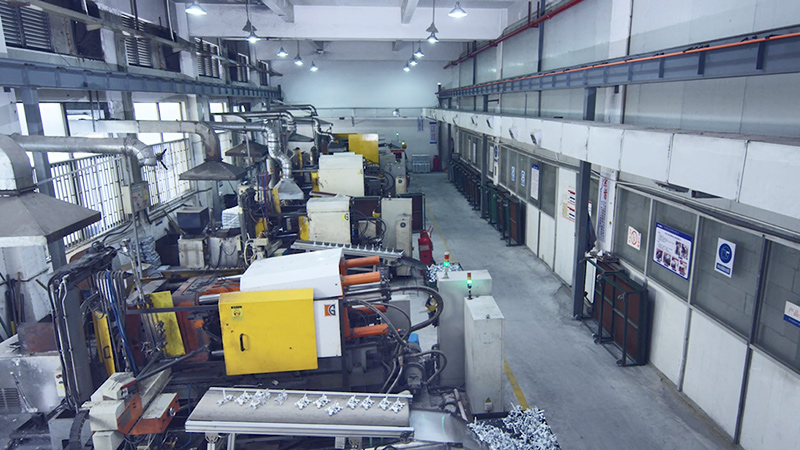
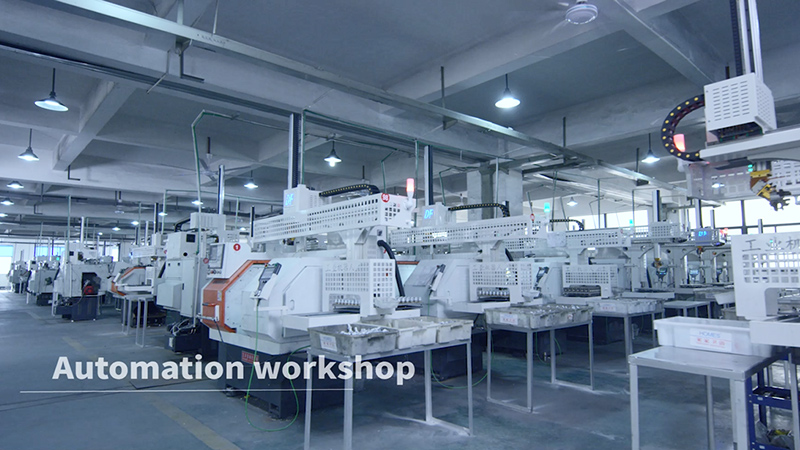
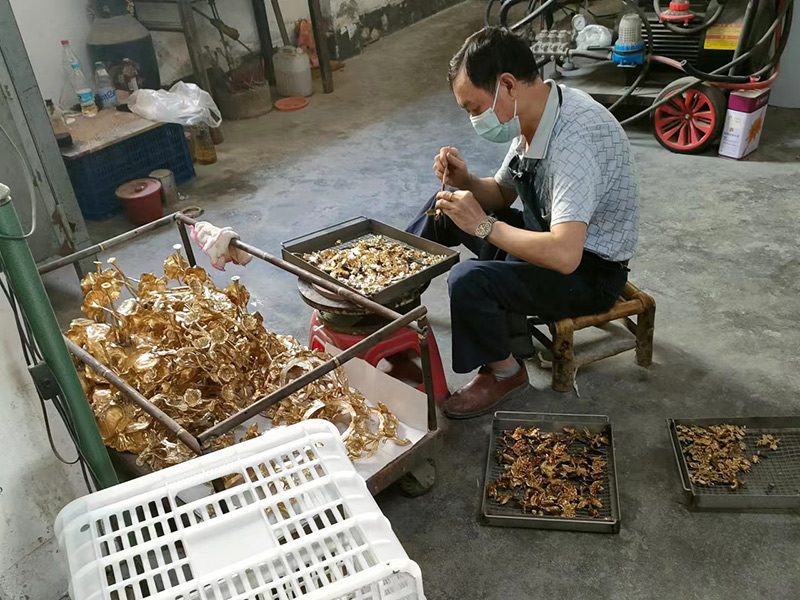
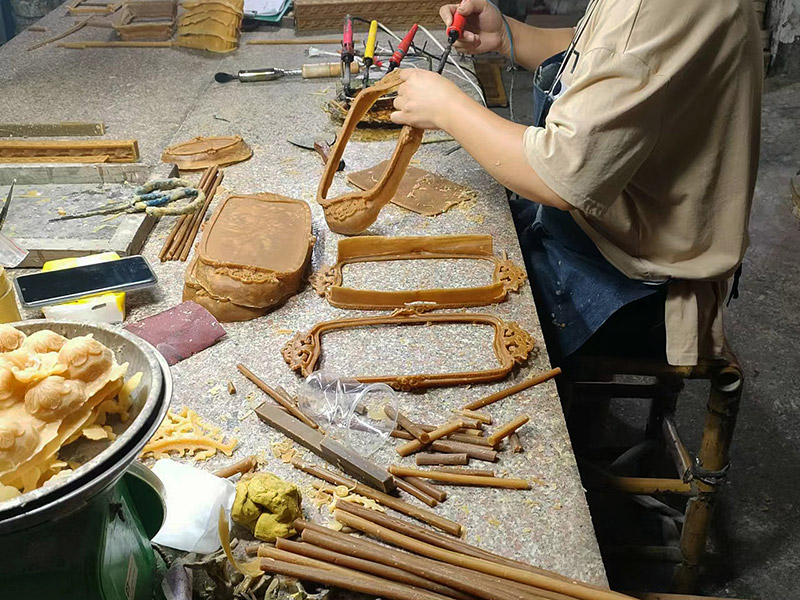
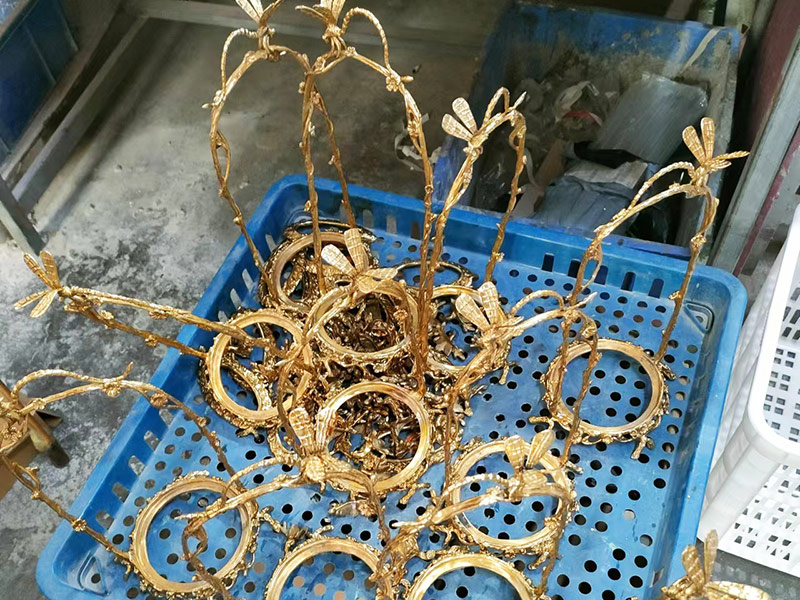
The synthesis of state-of-the-art CNC precision and historic lost-wax artisanal craftsmanship.
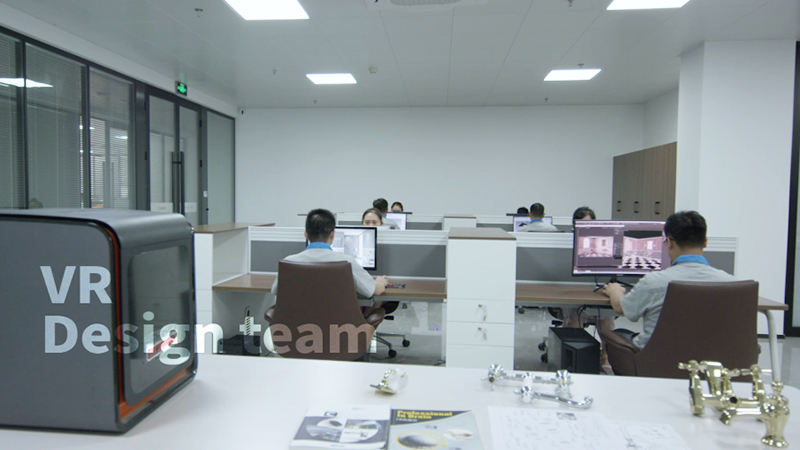
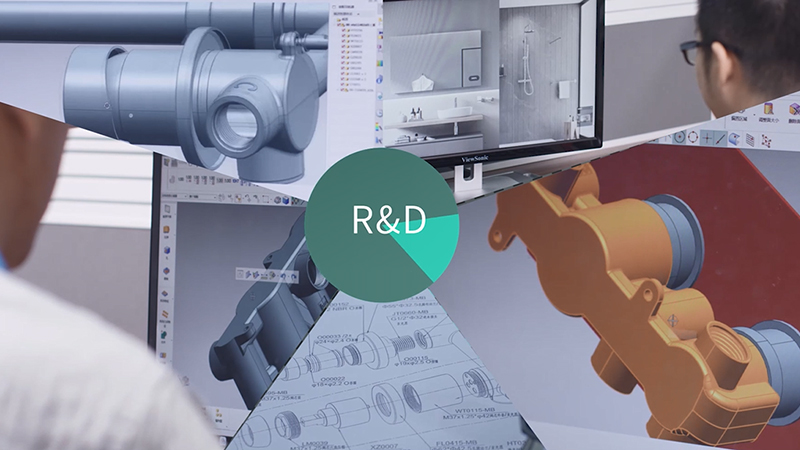
Buterfleoge maintains the engineering capacity to rapidly prototype, scale production, and manage complex distribution logistics. With our independent research & development designers, standardized advanced production facility featuring high-end CNC centers, and extensive casting operations, we support global distribution, agency partnerships, and luxury retail integrations.
Established in 2015 as an integrated brand and creative platform based in Guangdong, China, Buterfloge focuses on classical, refined, retro, and elegant furniture and hardware systems. By merging traditional craftsmanship with modern, human-centric design, we create a neoclassical aesthetic for demanding interior environments. We select and manufacture high-quality products characterized by refined workmanship and cultural heritage. Our product ecosystem spans fully integrated bathroom hardware, custom copper handicrafts, fine ceramic ornaments, high-performance technical textiles, and daily chemical systems, serving royal families, high-end hospitality venues, and architectural studios globally.
Our founder, Rona Chu, possesses a deep appreciation for classical antique bathroom designs and shabby chic interior details. "A retro bathroom product and fragrance can bring me back to good memories," shares Rona. "I remember my grandmother who spent hours in her personal vanity room every day. The impression she left me is the core inspiration for my brand." Like a woman in 1980s slip dresses enjoying nature, our designs capture classic curves, confidence, and grace. We are dedicated to creating elegant, reliable products that elevate everyday living spaces.
Architectural specifications vary widely across regions due to building codes, environmental factors, and regional preferences. Custom brass curtain clips must adapt to these localized demands to ensure long-term performance:
Projects in North America demand compliance with ANSI/BHMA standards for cycle life and load capacities. Heavy-duty commercial hotels require curtain clips that survive over 100,000 glide cycles without spring fatigue or finish degradation, with a strong preference for PVD-coated oil-rubbed bronze and satin brass finishes.
European specifications focus on eco-design directives, recyclability, and nickel-free surface treatments. Historical restoration and boutique projects require integrated brass hardware that coordinates with traditional building features. These clips must resist tarnishing under humid coastal conditions.
High humidity and atmospheric salinity in coastal Asian developments require superior corrosion resistance. Hardware must undergo rigorous ISO 9227 neutral salt spray testing for a minimum of 240 hours. Specialized passivated brass finishes help prevent red rust and green copper carbonate buildup.
The development of drapery hardware relies on advancing materials science, surface treatment technologies, and smart home integration. We are focusing research and development on these key areas to drive performance and efficiency:
Incorporating self-lubricating PTFE or polymer sleeves within the brass eyelet interface reduces sliding noise to under 30 dB. This ensures quiet, smooth operation, satisfying demanding acoustic specifications for hospitality environments.
Moving to lead-free brass formulations ensures compliance with changing global regulations. Applying Physical Vapor Deposition (PVD) finishes offers surface hardness over 2000 HV, protecting the metal from abrasion and harsh cleaning chemicals.
We utilize computerized spring tempering and tension testing during production. This calibration guarantees consistent grip tension across production batches, preventing heavy drapery fabrics from slipping over time.
For large architectural projects, sourcing hardware requires coordination between several phases: drawing, mock-ups, testing, and delivery. Buterfloge offers a structured ODM and OEM service workflow to streamline this process for project managers:
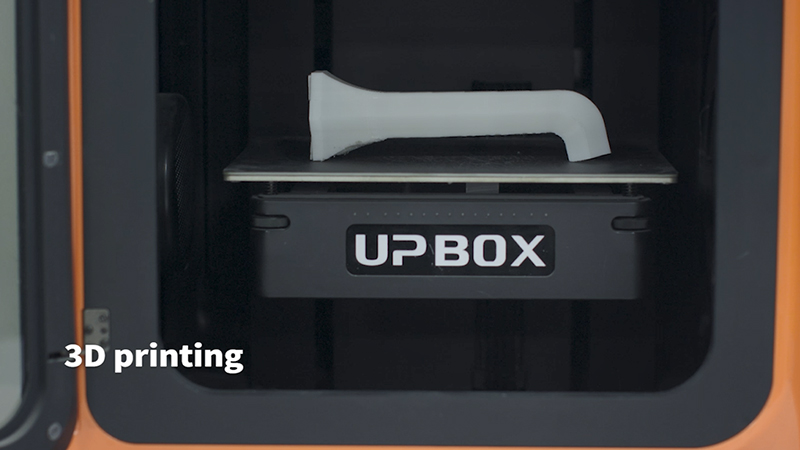
Our engineers convert architectural drafts into detailed CAD files. We then create 3D printed metal mockups to verify load capacity and glide clearances before initiating bulk tooling production.
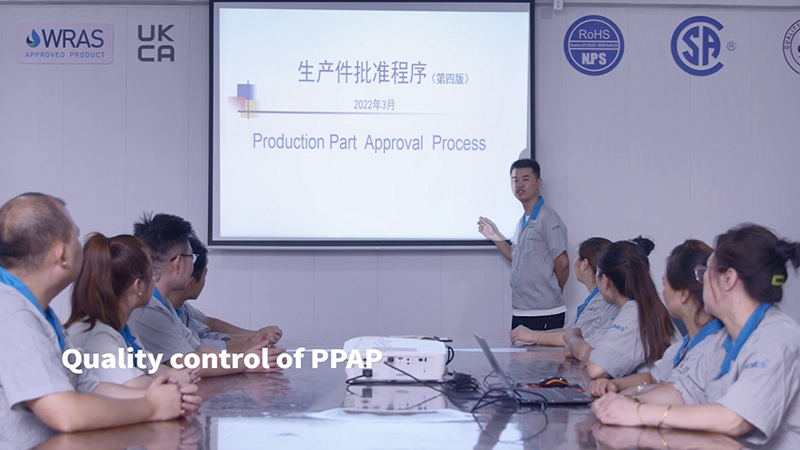
Production batches undergo testing to ensure performance: salt spray tests for corrosion resistance, pull-out tests for clamping strength, and cycle testing to simulate long-term use.
Answers to common technical and metallurgical questions regarding drapery system installations.
Solid brass provides superior resistance to atmospheric corrosion compared to carbon steel, preventing rust and subsequent fabric staining. Unlike zinc-based alloys (zamak), which can suffer from zinc pest and become brittle under high cyclic stress, brass retains its ductility and tensile strength. This ensures the clip's spring mechanisms remain reliable over long service life.
To prevent fabric slippage, our ODM designs feature serrated inner jaw surfaces and custom-calibrated stainless steel internal spring wires. We configure the spring rate to apply constant, distributed pressure across the fabric without puncturing or tearing the fibers. For delicate materials, polymer inserts can be added to protect the textile structure.
We apply a range of finish technologies depending on the installation requirements. These include physical vapor deposition (PVD), electrophoretic clear coatings, and traditional hand-waxed patinas. Our standard PVD treatments provide high abrasion resistance, allowing hardware to pass ASTM B117 salt spray testing with zero signs of pitting or tarnish.
Yes, we process low-lead and lead-free brass alloys, such as C87850 (Silicon Bronze) or bismuth-modified brasses. This ensures finished items comply with international environmental initiatives, including California AB 1953, RoHS, and EU REACH regulations.
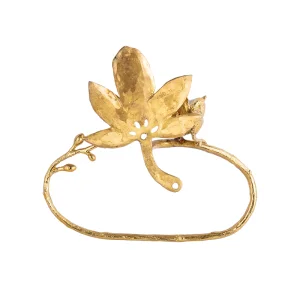
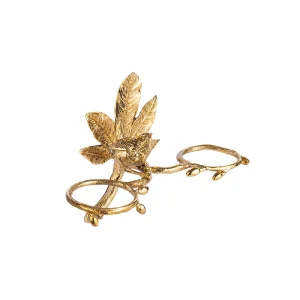
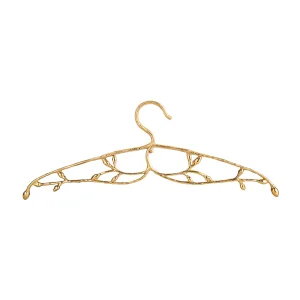
Select hardware designs supporting integrated hospitality configurations and commercial interior installations.
 Buterfleoge