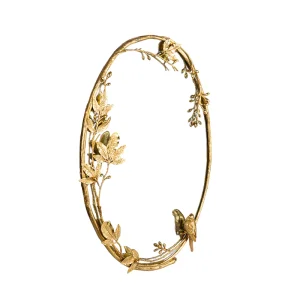
High-Quality Large Brass Bathroom Mirror Exporters & Products

The Comprehensive Industry Whitepaper on Global Procurement, Architectural Integration, and Heritage Craftsmanship

1. Global B2B Procurement Outlook & Market Dynamics

In the contemporary realm of high-end interior architecture and hospitality procurement, the specification of Large Brass Bathroom Mirrors has observed a significant paradigm shift. No longer regarded as simple utilitarian reflective surfaces, these architectural components have transcended into focal design statements. Globally, contract designers, hospitality procurement agencies, and real estate developers are targeting high-grade brass-framed mirrors to satisfy the escalating consumer demand for experiential luxury and wellness spaces.

The global brass vanity mirror market is heavily propelled by the hospitality development pipeline across North America, Western Europe, and the Middle East's GCC region. Solid brass remains the premier choice of alloy due to its exceptional performance in humid, high-salinity, and fluctuating thermal environments typical of commercial washrooms. Unlike anodized aluminum or stainless steel, premium brass offers an organic depth of tone, superior weight-to-volume ratio, and natural antimicrobial properties, aligning perfectly with modern high-traffic sanitary protocols.

98%
Corrosion Resistance
H59/H62
Grade Solid Brass
CNC
Precision Milling
10+ Yrs
Commercial Lifespan

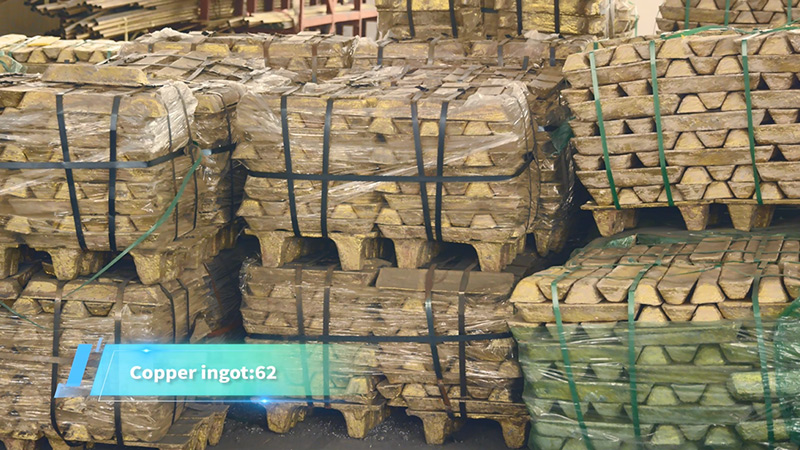
From a macro procurement perspective, sourcing agents prioritize exporters who can deliver consistent structural integrity at a massive scale. Key metrics evaluated during factory audits include raw material copper purity (typically demanding H59 or H62 brass profiles), anti-oxidation surface treatment technologies, and the optical quality of the silver-coated glass substrate. Large-format mirrors require precise structural engineering to prevent distortion, requiring heavy-duty backing plates and integrated heavy-gauge wall mounting systems that can withstand rigorous commercial usage.
2. Macro Industry Solutions & Technical Roadmaps

Oxidation Control (PVD)

Utilizing physical vapor deposition and advanced electroplating passivation layers to prevent brass frame tarnish, even under sustained high humidity levels typical of institutional steam rooms.

Structural Integrity

Heavy-duty backboard engineering integrated with high-density polyurethane dampening buffers prevents thermal expansion mismatch between the metal frame and the fragile mirror glass.

Smart System Integration

Seamless inclusion of architectural LED backlighting, touch-capacitive control sensors, and integrated demister heating elements designed for smart commercial bathroom environments.

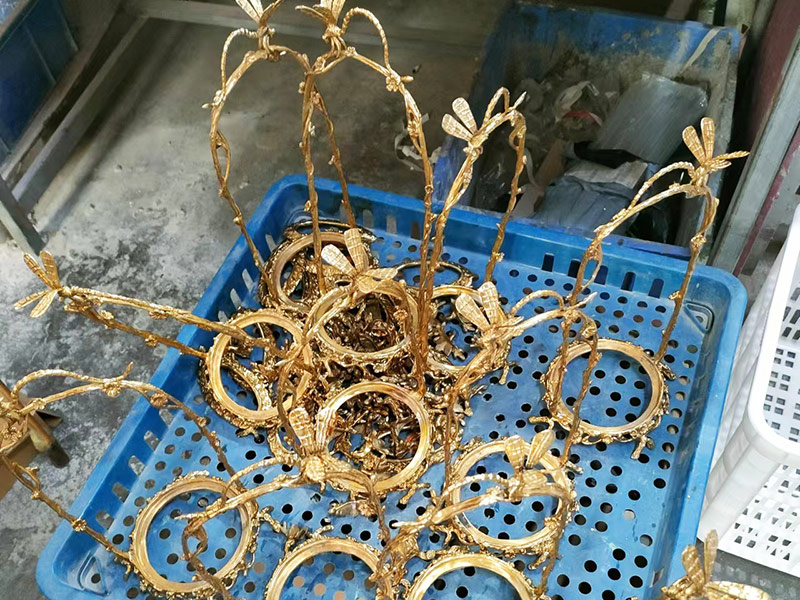
From an engineering standpoint, the fabrication of large-scale brass bathroom mirrors demands a strict technological roadmap. The manufacturing pipeline combines age-old foundry traditions with contemporary CNC (Computer Numerical Control) machining. High-grade brass profiles must undergo precision bending, welding, and subsequent hand-polishing to achieve seamless mitered joints that remain structurally resilient under tension. The integration of high-definition, copper-free, and lead-free silver mirrors prevents "black edge" oxidation, extending the functional longevity of the product to double that of conventional options.

3. Industrial DNA & Brand Heritage: The Buterfloge Story

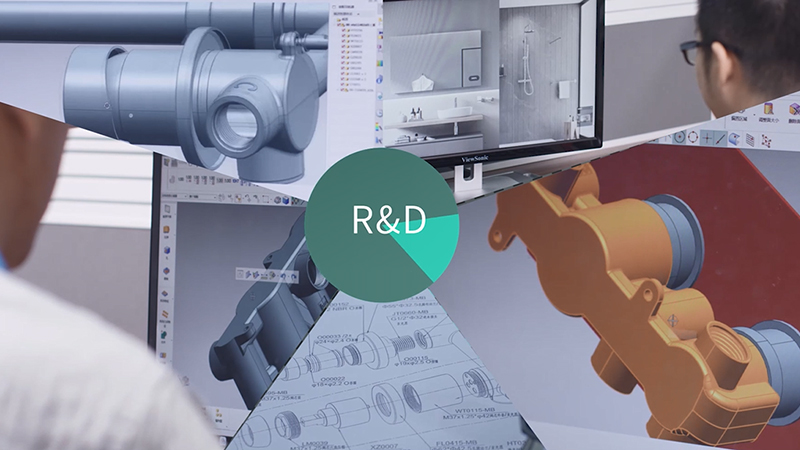
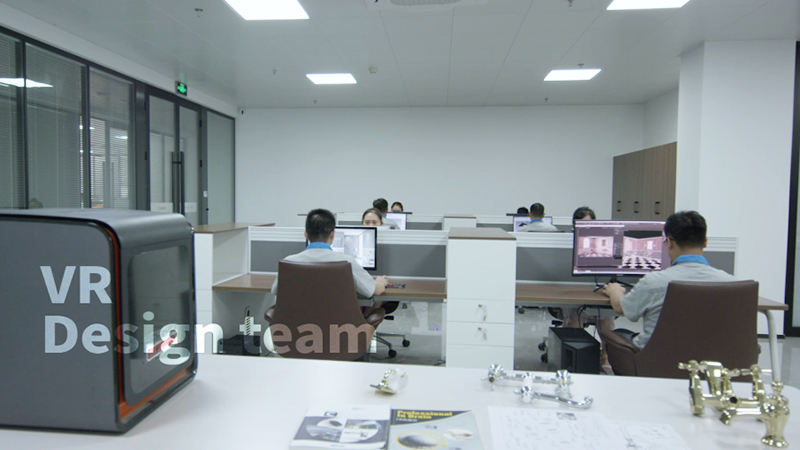
To fully understand the synthesis of retro aesthetics and cutting-edge industrial execution, one must examine the operational framework of **Buterfloge**. Based in Guangdong, China—the global epicenter for high-end hardware manufacturing—Buterfloge has established itself as an integrated brand and creative platform since 2015. Combining advanced design, rapid R&D cycles, and high-precision CNC capacity, Buterfloge services successful individuals, prestigious hotels, and royal residences worldwide.

Buterfloge Design Concept Showcase

Heritage Meets Technology

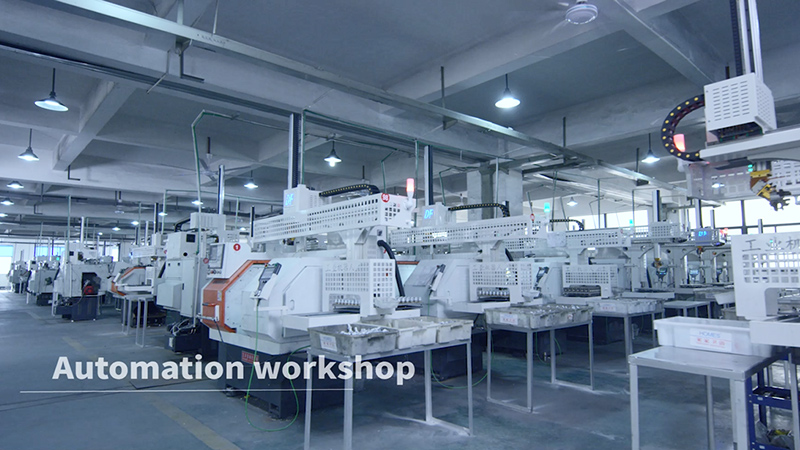
Buterfloge relies on a modern standard workshop housing state-of-the-art high-end CNC equipment. This infrastructure allows the company to rapidly move from independent designer concepts to heavy-volume production. Whether providing overall kitchen & bathroom solutions, architectural brass handicrafts, or custom copper accessories, the brand seamlessly bridges the gap between historical neoclassical charm and heavy industrial reliability.

The Founder's Philosophy: Rona Chu

At the center of Buterfloge's design language is its founder, **Rona Chu**, whose profound appreciation for classic antique bathroom designs and shabby chic elements infuses every item in the product catalog. Chu recalls, "A retro bathroom product and fragrance can bring me back to good memories. I remember my grandmother who always spends hours in the bathroom every day, and the impression she brought me is also the inspiration for my brand." This deeply humanistic inspiration, reminiscent of 1980s slip dresses, flowing natural curves, and confident grace, fuels the development of products that are decent, charming, and built to survive passing design trends.

Craftsmanship & Lost Wax Casting

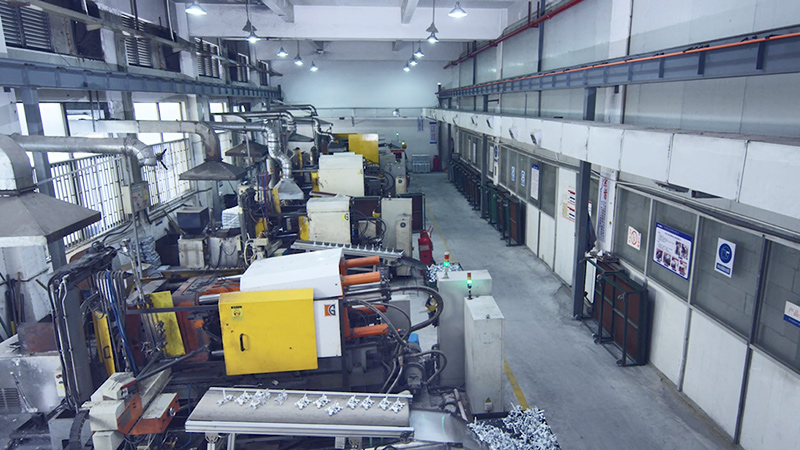
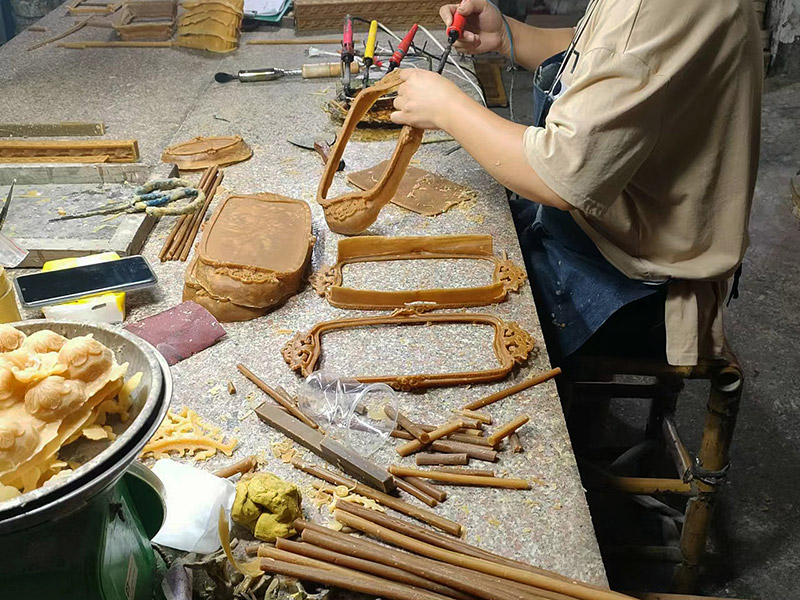
A primary technical pillar of Buterfloge is the preservation and integration of the Lost Wax Casting process. This method, utilized for centuries to create high-detail bronze sculptures, is adapted to generate intricate brass components such as towel racks, hardware hooks, and vanity frames. Unlike standard pressure die casting, lost wax casting yields a material density that is exceptionally homogeneous, ensuring zero air pockets and presenting a solid metal heft that communicates absolute luxury.

Buterfloge Casting Facility

4. Technical Specifications & Structural Engineering

When engineering large format bathroom mirrors (typically defined as any mirror exceeding 1000mm in height or width), specific structural tolerances must be observed. The physical weight of the solid brass profile, combined with the heavy 5mm or 6mm silver mirror glass, places extreme load-bearing stress on the frame. If the frame is not perfectly rigid, subtle bending forces will flex the glass, producing a warped reflection—an unacceptable result in luxury installations.

To eliminate this, Buterfloge utilizes a multi-layered composite backing architecture. The backing panel consists of a high-pressure laminate (HPL) core or a moisture-resistant medium-density fiberboard (MDF) sealed with an anti-fungal epoxy coating. This backplate is secured directly to the interior channel of the CNC-milled brass frame using structural silicone that retains elastic movement under thermal expansion. Integrated keyhole mounting brackets, welded directly to the brass frame structure, ensure that gravity loads are transferred directly to the wall anchors without stressing the mirror glass.

Finishing and Chemical Passivation

Raw brass will naturally oxidize when exposed to air and moisture, developing a dark patina. While some traditional designs welcome this organic aging, modern commercial bathrooms generally demand stable surfaces that resist staining and cleaning chemicals. Exporters apply various surface passivation methodologies to satisfy these diverse client needs:

1. Physical Vapor Deposition (PVD): Under high vacuum conditions, titanium and zirconium nitride ions are deposited onto the polished brass surface. This produces an ultra-hard ceramic coat that replicates the exact tone of polished or brushed gold while providing unparalleled abrasion and chemical resistance.

2. Clear Electrophoretic Lacquering: A charged acrylic resin is deposited uniformly onto the metal frame, followed by high-temperature baking. This creates an impenetrable barrier against moisture, sweat, and soap residue, suitable for residential bath suites.

3. Acid-Etched Antique Patina: For retro designs matching founder Rona Chu’s shabby chic aesthetics, the brass is deliberately oxidized using specialized chemical solutions and then sealed with microcrystalline wax. This allows the mirror to retain its historic visual warmth while stabilizing the rate of natural aging.

5. Localization Support & Compliance Standards

For large-scale real estate projects, global compliance is a fundamental requirement. Sourcing from exporters requires strict adherence to international building codes, electrical safety certifications (when smart LEDs are integrated), and material safety regulations. Buterfloge maintains rigorous testing protocols to ensure products are fully certified across all primary global export markets:

In the North American market, mirrors must comply with ADA (Americans with Disabilities Act) depth regulations, specifying that wall-mounted items must not project more than 4 inches from the wall when positioned between 27 and 80 inches above the finished floor. Additionally, any LED-integrated brass vanity mirrors must carry UL (Underwriters Laboratories) or ETL certification, certifying safety in wet and damp locations.

For European distribution, products carry the CE Mark and comply with the RoHS Directive (Restriction of Hazardous Substances), proving that the mirror coatings and electronic components contain no lead, mercury, or other dangerous elements. Glass components must meet EN 1036-1 standards, ensuring high resistance to humidity and chemical wear in indoor environments.

Frequently Asked Questions (FAQ) & Specifier Guide

Why is solid brass preferred over aluminum or stainless steel for luxury bathroom mirrors?

Solid brass is a premium copper-zinc alloy that possesses natural resistance to rust and oxidation, unlike iron-based metals. When polished or brushed, it offers a warm, high-end optical tone that cannot be perfectly replicated by anodized aluminum or paint finishes. Its heavy weight provides stability, and it naturally resists bacteria, making it ideal for clean, luxury bathroom designs.

How does Buterfloge prevent large mirrors from developing warped or distorted reflections?

Large mirrors are prone to warping if the backing material flexes. Buterfloge prevents this by using 5mm to 6mm thick premium copper-free float glass mounted to a rigid, moisture-resistant high-pressure laminate (HPL) backplate. The frame is CNC-milled for extreme dimensional accuracy, preventing any uneven pressure points on the glass surface.

What is the typical lead time for custom OEM/ODM hospitality mirror orders?

Thanks to our integrated standard workshop, high-end CNC equipment, and rapid prototype R&D pipeline, Buterfloge can generate custom prototypes within 7 to 10 days. Mass production lead times vary between 30 and 45 days depending on the complexity of the design, casting methods required, and total order volume.

Are the integrated LED and heating element components compliant with European and US safety codes?

Yes. All smart components, including demisting pads, capacitive sensors, and LED drivers, are certified under UL, ETL, and CE regulations. They carry IP44 or IP66 ratings, ensuring they are fully sealed against splash water and high humidity environments.

How are large glass products packaged to prevent shipping damage over long-distance transit?

We utilize high-density customized foam inserts that surround the mirror frame, protected by double-wall corrugated export cartons. For large-format B2B shipments, the boxes are crated inside solid wood pallets with shock-absorbing corner guards. Every shipment undergoes standardized drop tests to ensure safe arrival at the job site.