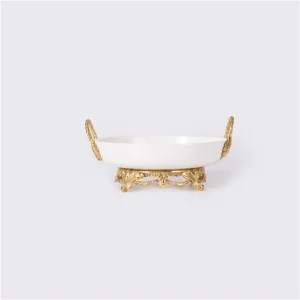
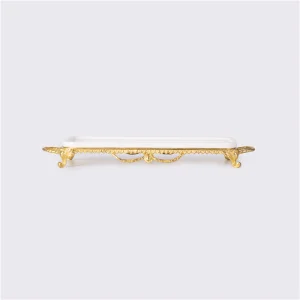
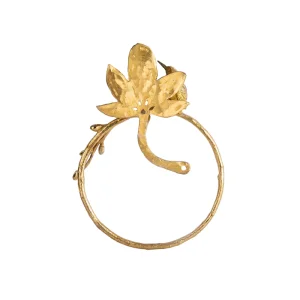
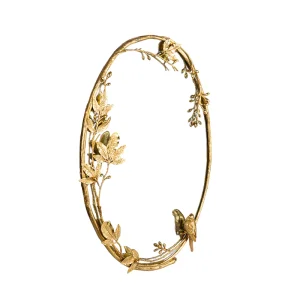
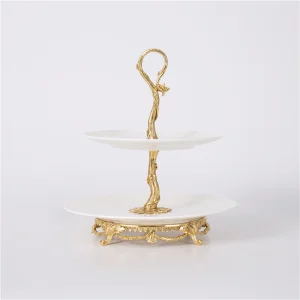
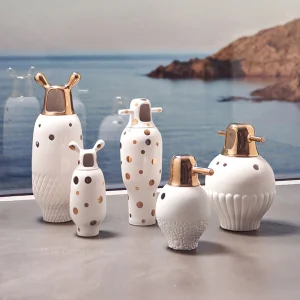
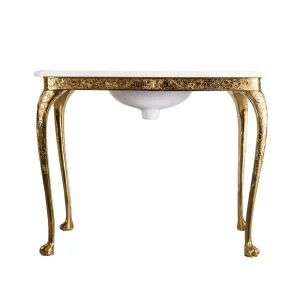
Engineered for luxury residential applications, high-performance commercial projects, and classical interior fittings.
In the landscape of modern architectural design, the bathroom and kitchen are no longer mere utility zones; they are statements of materiality and sensory experience. The demand for small brass sinks has grown exponentially, driven by a structural shift towards boutique hospitality, luxury ADUs (Accessory Dwelling Units), and spatial optimization in high-density urban penthouses.
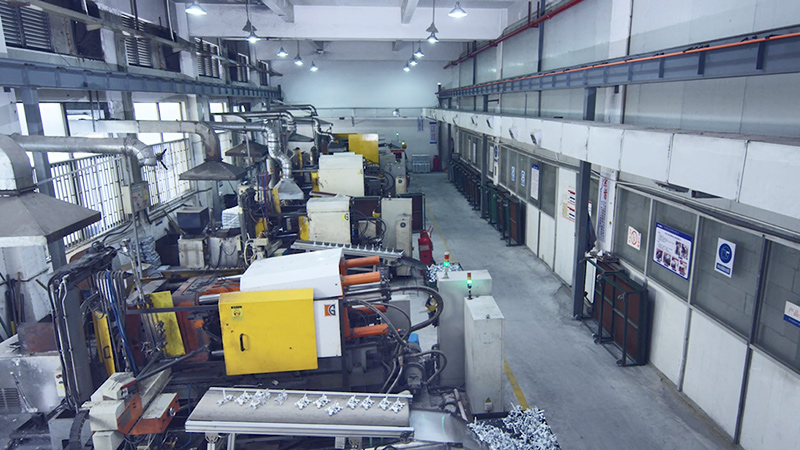
Historically, copper-alloy sanitary fixtures were handcrafted treasures limited to royal residences and legacy estates. Today, specialized manufacturers in Guangdong, China, have synthesized traditional artisan methodology with advanced industrial systems. This integration of ancient casting with modern CNC (Computer Numerical Control) machining allows designers to source high-durability, dimensionally accurate brass sinks that carry organic warmth and long-term patina maturation.
Unlike cold stainless steel or fragile ceramics, brass possesses natural antimicrobial properties, making it an ideal choice for high-contact sanitary spaces. Furthermore, its chemical composition allows for diverse surface finishings, ranging from physical vapor deposition (PVD) to unlacquered "living finishes" that oxidize gracefully over time, capturing the architectural narrative of the space.
As global sourcing parameters shift toward sustainability and structural longevity, international buyers look toward Chinese exporters who can deliver verified lead-free alloys compliant with EPA and California Proposition 65 requirements. This whitepaper serves as an industry roadmap for selecting, importing, and integrating professional brass sanitary installations.
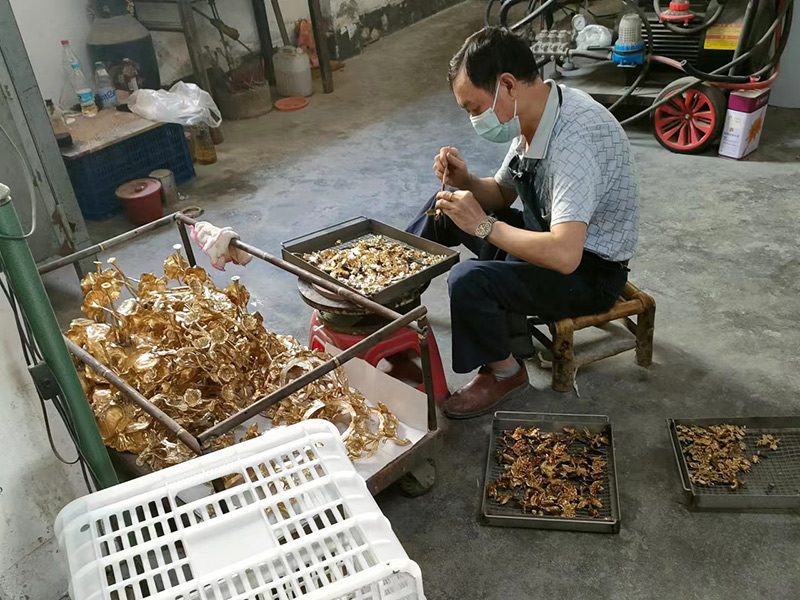
The manufacturing route of a small brass sink dictates its life-span, mechanical integrity, and design expression. The two primary methods used in the industry are cold sheet stamping and lost wax precision casting.
Lost wax casting creates a monolithic brass structure with zero seams, preventing stress-cracking and water-pressure failures over decades of usage.
Enables high-relief neoclassical patterns, customized organic shapes, and precise integration of drainage ledges that cannot be achieved via stamping.
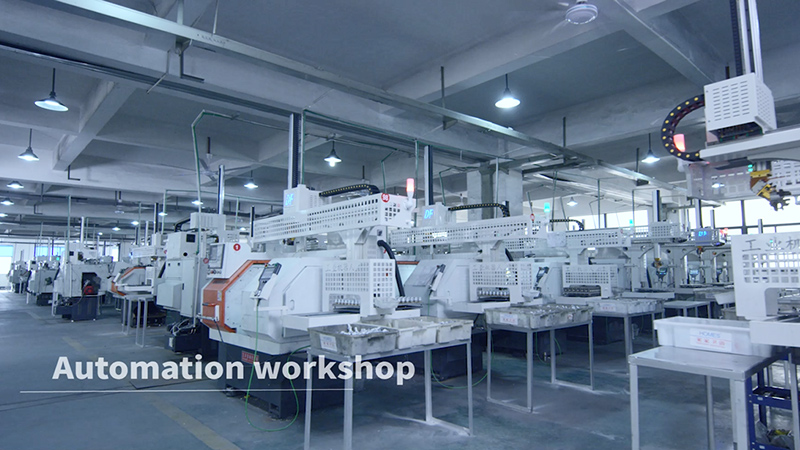
Critical fitment areas, including standard US/EU drain threads, are milled via CNC to guarantee 0.02mm tolerances for plug-and-play installation.
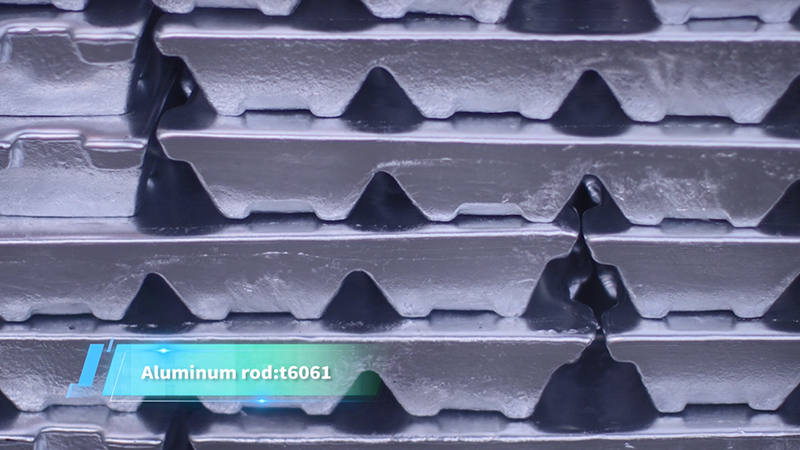
Premium small brass sinks are cast from high-purity copper-zinc alloys (typically HPb59-1 or lead-free silicon brass). The addition of silicon increases fluid mobility during casting, allowing thin-walled sections (down to 3.5mm) to fill uniformly without forming internal micro-voids. To survive continuous moisture exposure, these alloys undergo dezincification resistance (DZR) testing to prevent water chemistry from leaching zinc and leaving a porous, weakened copper framework.
Procuring decorative plumbing products from Chinese factories requires an in-depth understanding of international build codes, shipping protocols, and testing requirements.
North American builds require Uniform Plumbing Code validation. Our partner factories ensure copper-alloy castings satisfy ASME A112.19.2/CSA B45.1 standards for dimensional and mechanical integrity.
European projects rely on EN 274 metrics for flow-rate capacity and self-cleaning hydro-dynamics. Sinks are engineered with standard G 1¼" waste threads for rapid, universal siphon fitting.
To secure zero-damage deliveries for delicate brass works, we utilize custom molded high-density foam packaging (ISTA 3A certified drop-test) and vacuum-sealed anti-tarnish films.
Established in 2015, Buterfloge represents a creative platform located in Guangdong, China. We synthesize classic, refined, and neoclassical aesthetics with high-performance manufacturing machinery.
Buterfloge combines modern, natural, and comfortable humanistic concepts to create a unique neoclassical aesthetic. By selecting every high-quality product with exquisite workmanship and cultural heritage, we collect luxury craft treasures with unique noble style and exquisite manufacturing technology. This design philosophy provides complete kitchen and bathroom solutions favored by hotels, royal families, and design professionals worldwide.
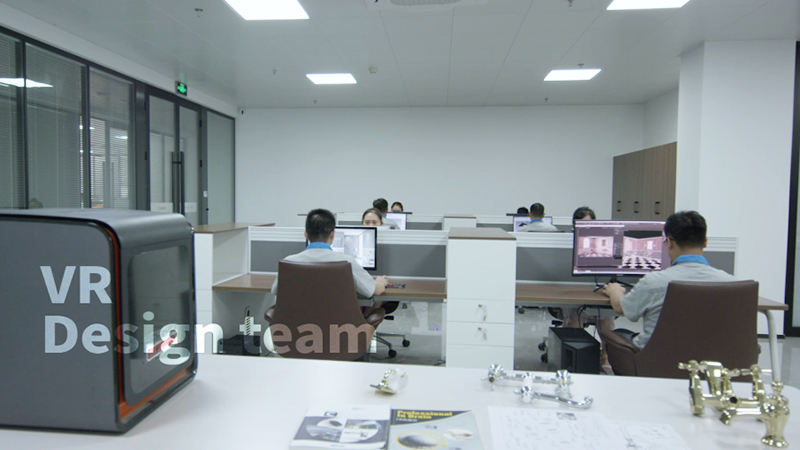
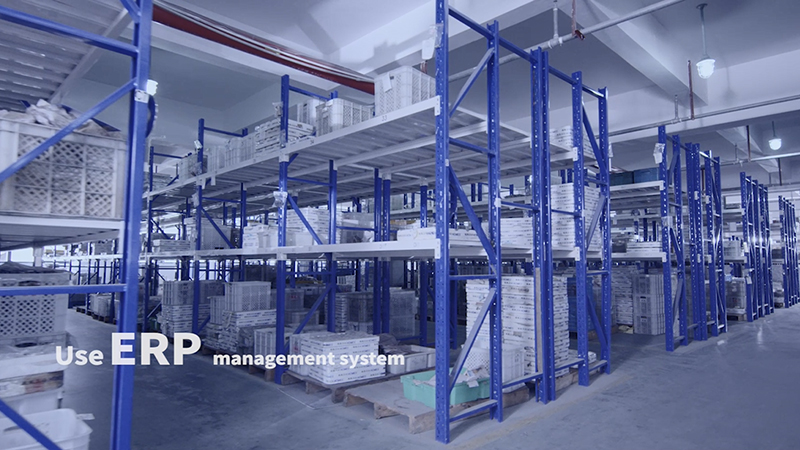
Buterfloge maintains the ability to quickly develop new products, handle complex logistics, and operate an independent designer research and development wing. This is supported by our standard workshops, CNC equipment, and robust production capacities that serve distributors, retailers, and project builders alike.
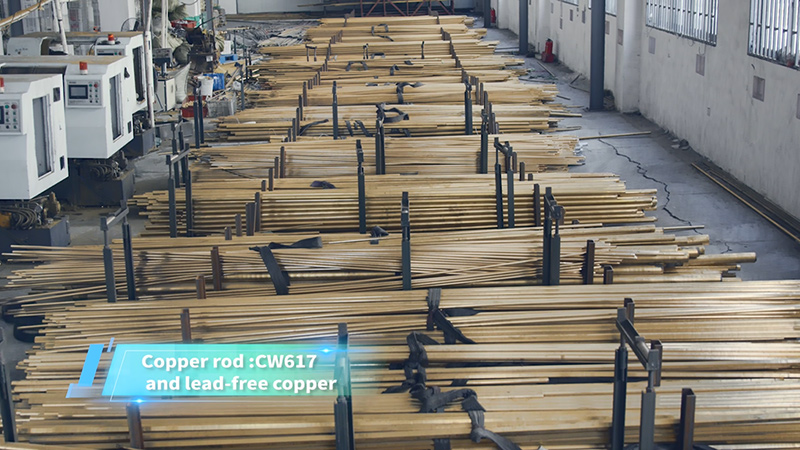
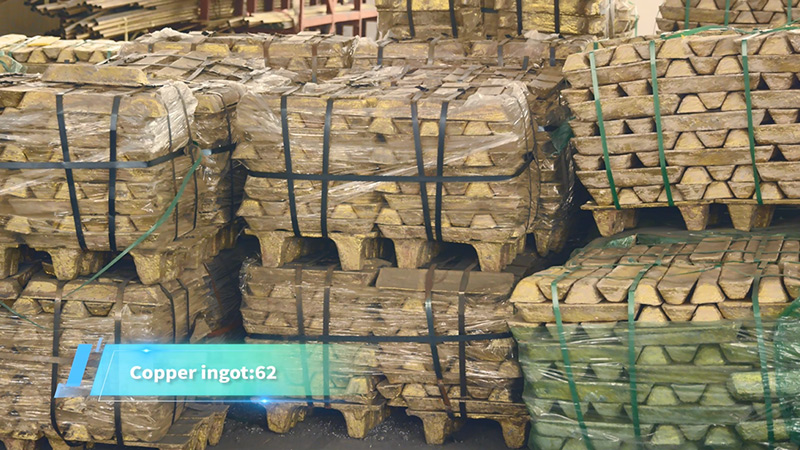

Founder Rona Chu loves classic antique bathroom designs and shabby chic home styles. "A retro bathroom product and fragrance can bring me back to good memories," states Rona. "I remember my grandmother who always spent hours in the bathroom every day, and the impression she brought me is also the inspiration for my brand. A woman in 1980s slip dresses enjoying nature and revealing grace... noble flowers carrying curves and a toned song for the flowers. We are always decent, confident, and charming and go after what we think is worth it."
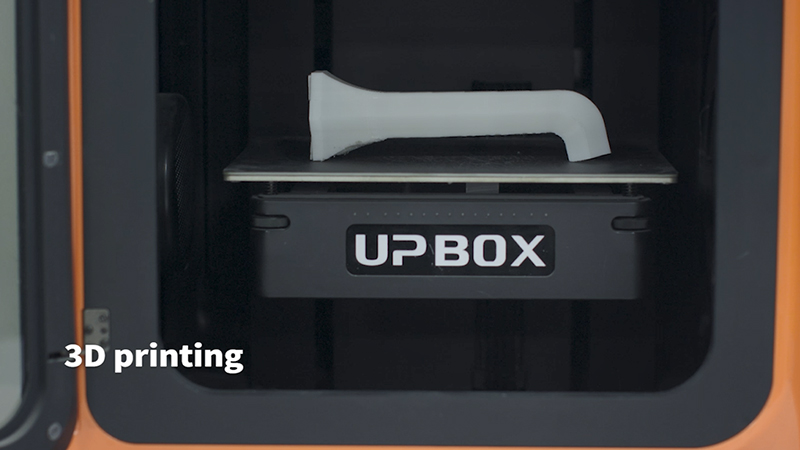
As digital manufacturing shifts, Buterfloge integrates CNC workflows and mechanical finishing controls with ancient wax casting to secure repeatability across global projects.
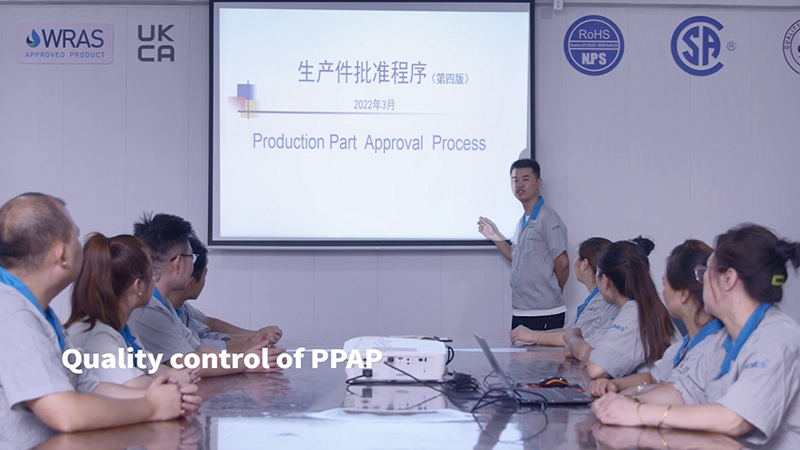
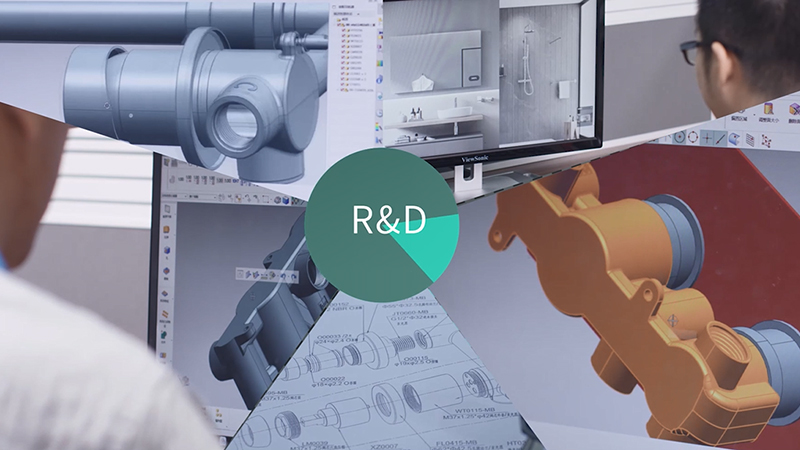
Every step of production, from initial design concepts in the R&D wing to mechanical milling and plating, operates under ISO 9001:2015 specifications. Modern coordinate measuring machines (CMM) evaluate the roundness and thread engagement of every sink basin prior to shipping. This ensures that the aesthetic elements designed to showcase neoclassical luxury match modern mechanical specifications.
Our technology roadmap integrates recycled copper initiatives, lowering the carbon footprint of cast brass production while maintaining the density and mechanical strength of the product. This makes our products a preferred choice for architects seeking LEED-certified interior specifications.
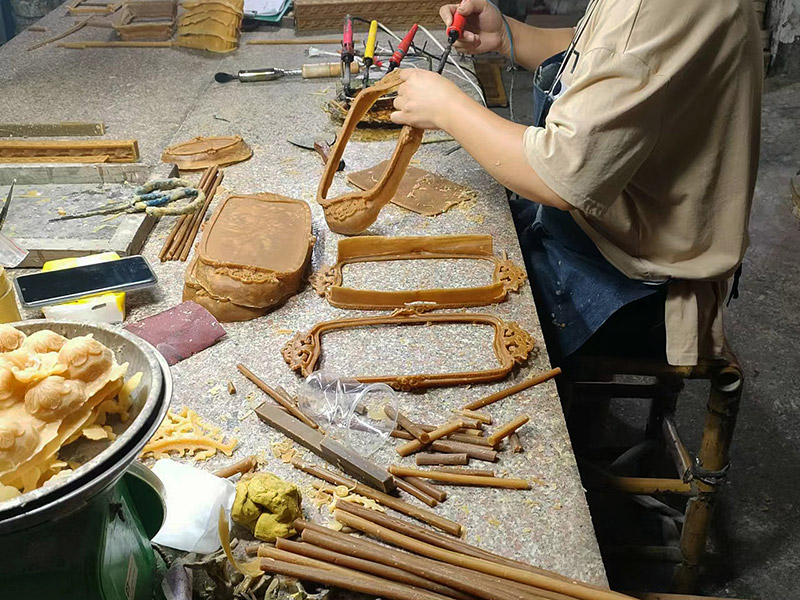
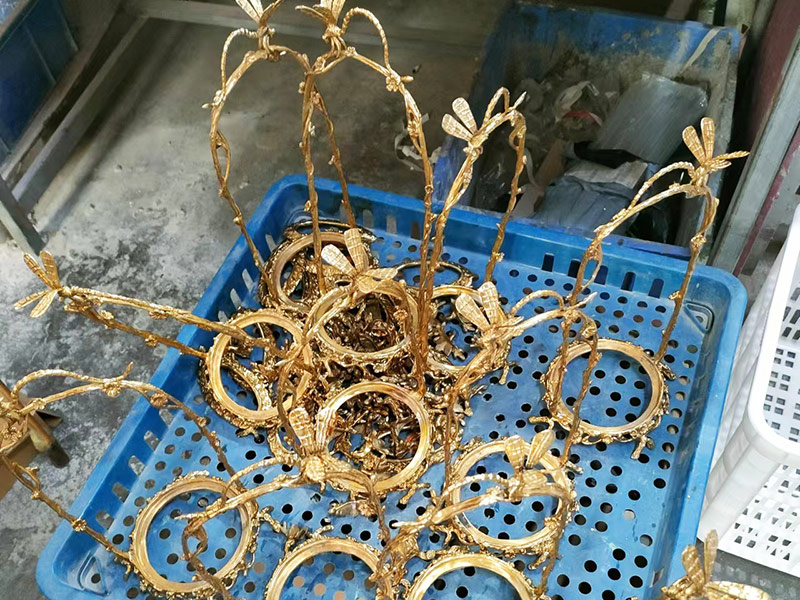
Our facility integrates classic casting methods with standard CNC equipment, delivering distribution, agency, and retail services globally.
Critical engineering and compliance answers for sourcing managers, specifiers, and designers.
Browse additional neoclassical decorative items, solid brass mirrors, and cast copper design features.
 Buterfleoge