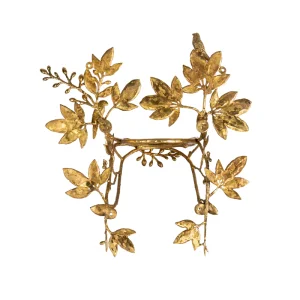
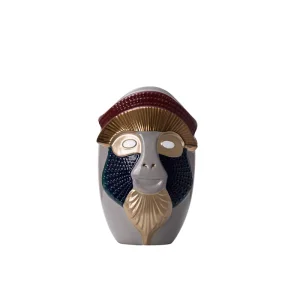
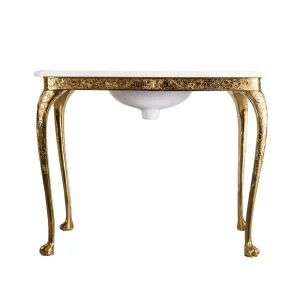
Explore our flagship hardware configurations, combining high-grade solid copper bases, lost wax casting details, and advanced anti-corrosion surface coatings.
Demystifying why premium brushed finishes and optimized factory-level pricing are driving modern architectural hardware sourcing.
In the competitive landscape of hospitality development, residential design, and large-scale architectural projects, the demand for brushed brass soap dishes has experienced an unprecedented surge. Historically regarded as a luxury material reserved for high-end boutique properties, brushed brass has democratized. Today's commercial procurement managers face a dual challenge: maintaining the prestigious aesthetic weight of solid brass while achieving highly optimized unit costs. The key lies in identifying agile manufacturers capable of bridging high-technology metalworking with economical raw material supply lines.
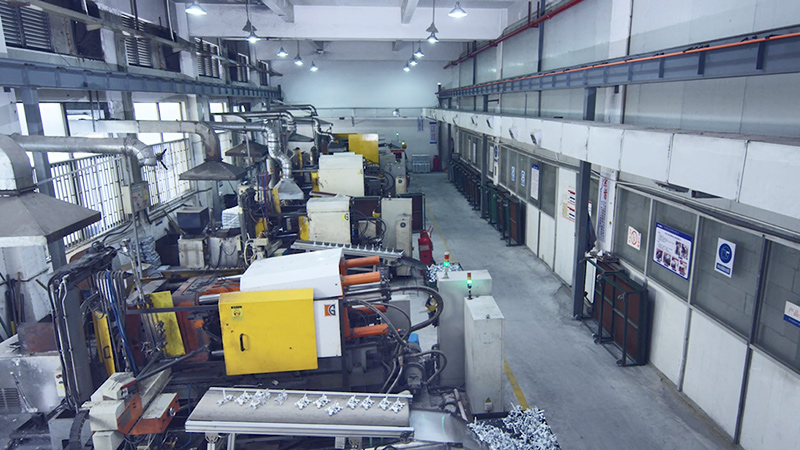
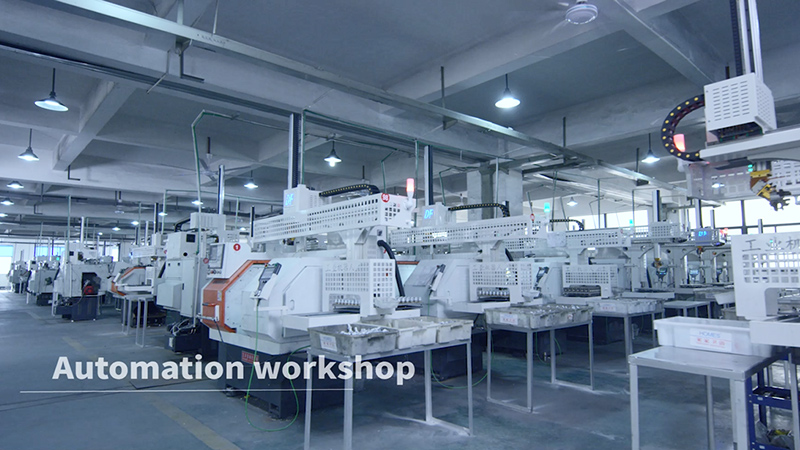
In modern industrial terminology, "cheap" refers to the optimization of unit-level cost-structures through high-speed automation, CNC machining centers, and strategic logistics. By automating the secondary finishing steps, top-tier factories can reduce scrap rates to less than 0.5%, passing the savings directly to international B2B buyers.
Brushed brass provides a unique tactile feedback and visual warmth that chrome or matte black finishes fail to replicate. Because soap dishes constantly interface with alkaline formulations, hard water, and physical abrasion, a sub-standard finish will rapidly tarnish, peel, or rust. This is why understanding the chemical and mechanical execution of the "brushed brass" layer is critical for procurement executives. Selecting the right manufacturer ensures the product stands up to municipal water regulations and severe commercial cleaning regimens.
An integrated ecosystem of creative design, precision metal fabrication, and neoclassical sanitaryware aesthetics.
Established in 2015 and based in the global manufacturing hub of Guangdong, China, Buterfloge is an integrated creative platform combining research and development, aesthetic innovation, and rigorous product customization. We specialize in retro, refined, and neoclassical bathroom hardware, bringing organic humanistic warmth back into modern functional spaces.
Our facility operates high-end standard workshops equipped with state-of-the-art CNC machining centers, automated polishers, and casting equipment. This robust technological footprint allows us to quickly transition from initial sketch to full-scale distribution, providing premium solutions for luxury hotels, wholesale agents, and high-volume retail platforms worldwide.
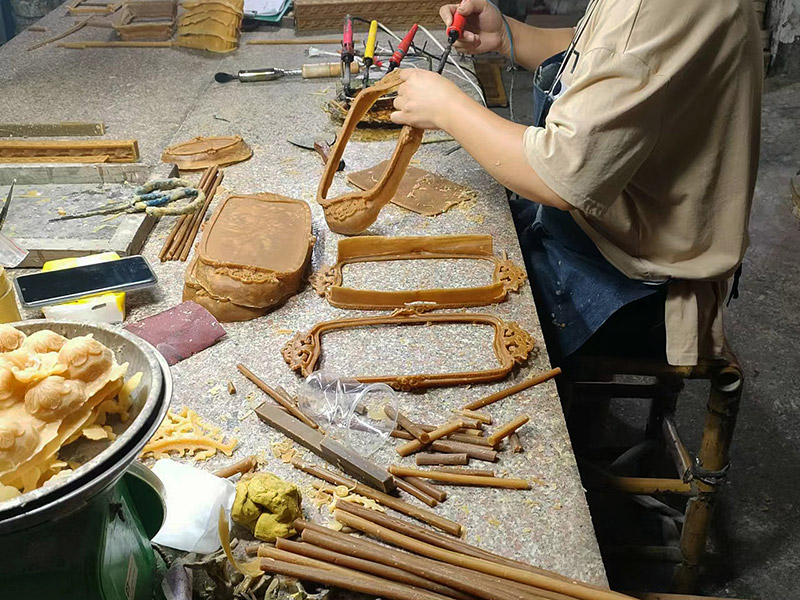
From complex lost wax casting methods to high-tolerance CNC milling, Buterfloge ensures each brass product features uniform molecular density, dimensional stability, and flawless surface alignment.
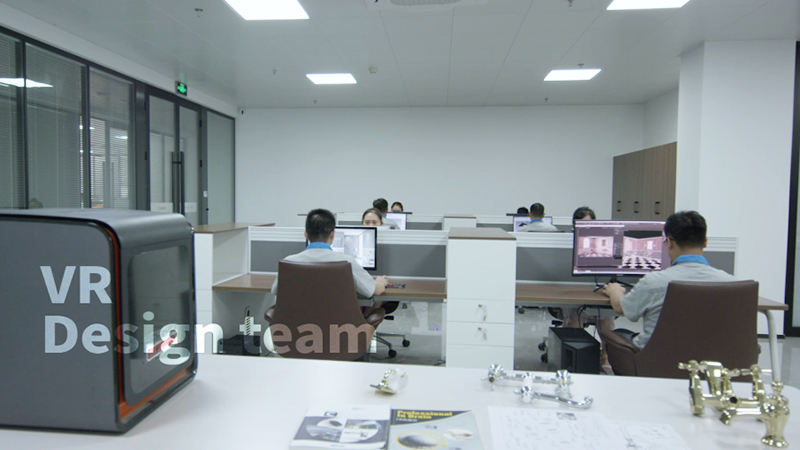
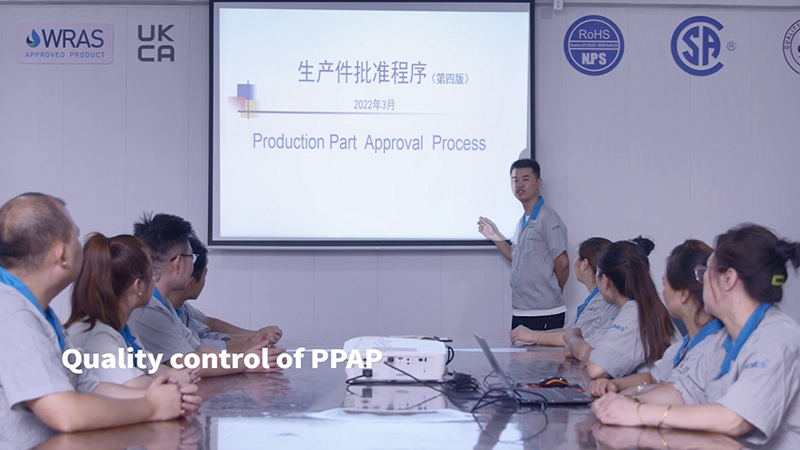
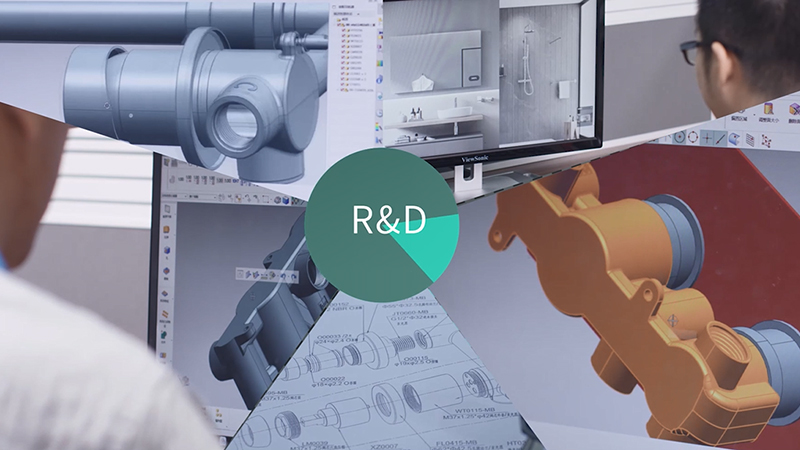
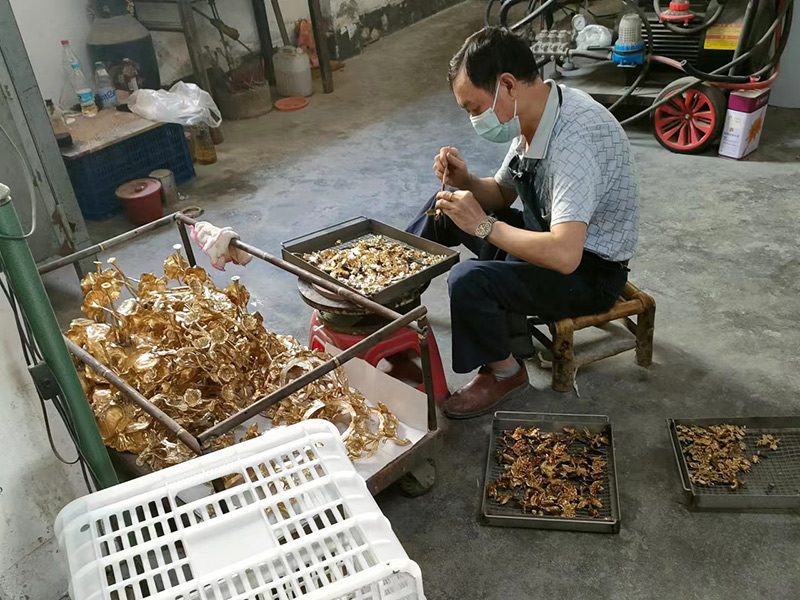
"Our founder, Rona Chu, possesses a deep appreciation for the textures of classic antique bathroom designs and the lived-in comfort of shabby chic environments. 'A retro bathroom product is not merely utilitarian; it carries the power of sensory memory,' notes Chu. Influenced by childhood impressions of her grandmother's elegant vanity rituals and the fluid lines of 1980s slip dresses, the brand seeks to fuse organic geometry with modern metallurgy. We design for the global citizen who demands uncompromising elegance, architectural confidence, and functional durability in their living spaces."
How automation and advanced logistics in Guangdong drive downward cost curves while heightening quality standards.
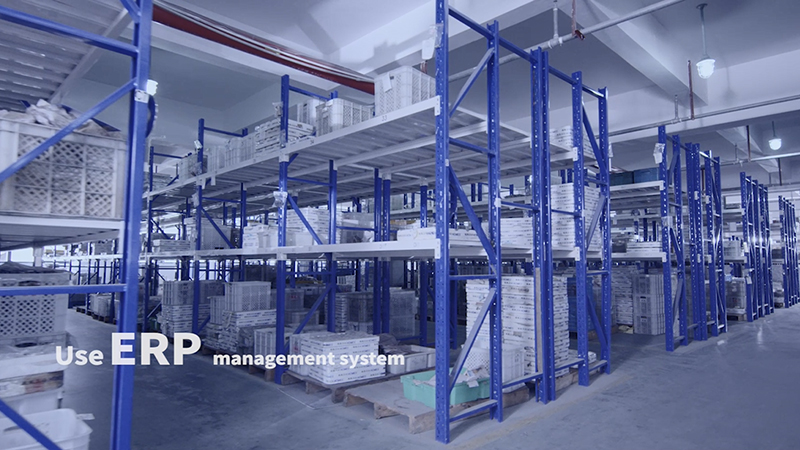
The manufacturing of sanitary hardware has evolved from labor-intensive manual polishing to Smart Factory 4.0 methodologies. Guangdong's hardware cluster features a concentrated infrastructure of chemical surface suppliers, tooling workshops, and raw copper refineries. This geographical concentration significantly reduces logistics overhead. By coordinating materials in real-time, factories eliminate storage costs, allowing them to remain highly competitive on pricing.
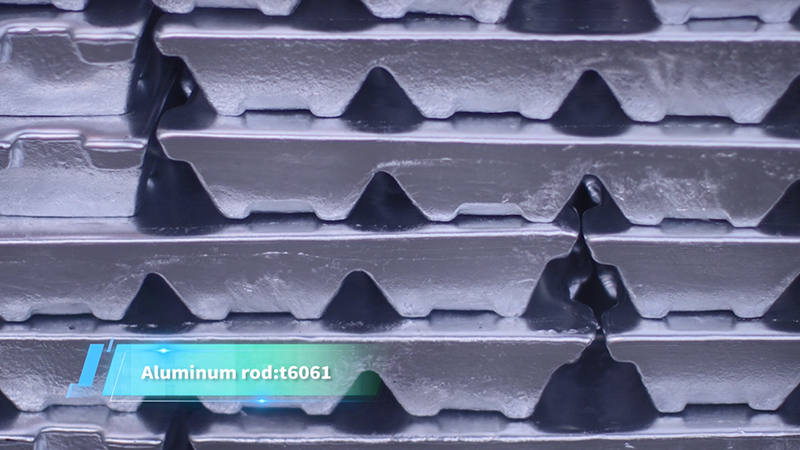
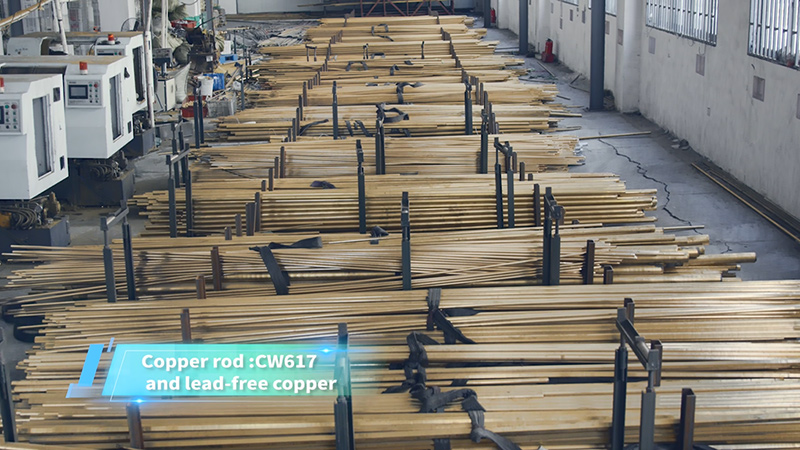
Unlike traditional sand casting, which yields porous, uneven metal surfaces, Buterfloge utilizes high-speed CNC machining centers to shape structural elements from solid brass bars. This ensures the structural integrity of our soap dishes, eliminating microscopic air bubbles that cause stress fractures under pressure.
Automated mechanical brushing arms execute the crucial finishing steps. These machines apply uniform pressure along the surface axis, producing the signature fine lines characteristic of high-quality brushed brass. This process minimizes the human error associated with manual belt sanders.
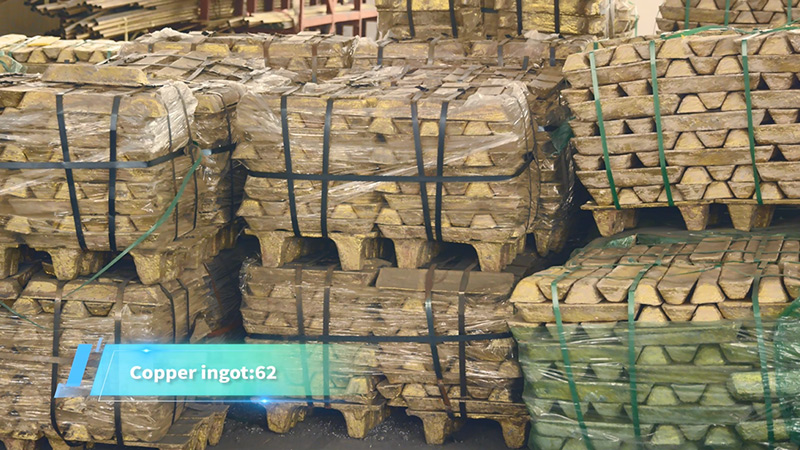
Furthermore, our factories implement digital quality management systems (QMS) that trace raw copper batches back to their metallurgical origins. Every shipment is accompanied by a mill test certificate confirming the exact percentages of copper, zinc, and trace elements, guaranteeing compliance with safety standards.
A deep dive into PVD coating systems, alloy durability, and the future of sustainable, anti-fingerprint surface treatments.
To ensure a brushed brass soap dish achieves decades of service in humid, high-saline coastal properties or heavy-use commercial restrooms, the chemistry of the finish must be engineered to withstand challenging conditions. Modern hardware utilizes one of three primary finishing methodologies:
| Finishing Method | Technical Characteristics | Salt Spray Durability (NSS) | Ideal Application Environment |
|---|---|---|---|
| PVD (Physical Vapor Deposition) | Titanium nitride deposited under high vacuum. Molecularly bonded. Extreme hardness. | > 240 Hours | High-traffic luxury hotels, marine properties, premium residential projects. |
| Acid Electroplating (Nickel + Brass) | Multi-layer electro-deposition of nickel followed by real brass coating. Classic luster. | 120 - 180 Hours | Standard residential bathroom suites, commercial hospitality. |
| Organic Clear Lacquer (Baking Varnishes) | Real brass base sealed with a high-durability polymer lacquer to prevent natural oxidation. | 96 - 120 Hours | Dry vanity spaces, classic heritage renovation projects. |
Looking forward, the roadmap for brushed brass hardware is centered on two main goals: **zero maintenance** and **low carbon footprint**. Advanced manufacturers are implementing ultra-thin fluorocarbon nano-coatings on top of the brushed texture. These hydrophobic layers repel skin oils, preventing watermark build-up and reducing the need for aggressive chemical cleaners.
Additionally, the transition to **Lead-Free Eco-Brass (C46400 / HPb59-1 equivalents)** guarantees safety. B2B buyers must prioritize manufacturers that utilize lead-free brass formulations to satisfy regional drinking water and contact-surface safety regulations in North America and Western Europe.
Strategies for contract developers, distributors, and global architectural agencies to minimize risk and optimize shipping timelines.
Purchasing hardware at an enterprise level requires balancing product aesthetics, logistics, and quality assurance. When importing container-load shipments, a small defect rate can delay construction timelines and lead to significant project cost overruns.
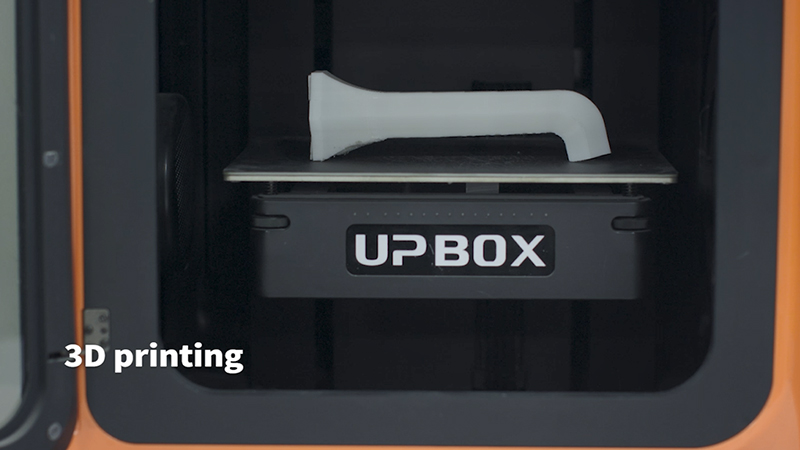
Deploying 3D CAD modeling and rapid resin printing to check dimension tolerances before creating physical casting molds.
Developing protective foam inserts and drop-test certified cardboard sleeves to prevent transport scuffs and surface scratches.
Offering LCL or FCL consolidation direct from Shenzhen or Guangzhou ports to minimize international ocean freight costs.
To address global compliance requirements, we implement strict localized support. Whether your project requires compliance with European **CE regulations**, British **WRAS certifications**, or North American **CUPC codes**, our production runs are tailored to meet those standards.
1. Confirm alloy composition (look for H59 brass or lead-free variants for building certifications).
2. Require cross-hatch adhesion testing report for electroplated or PVD layers.
3. Ensure mounting hardware is constructed from 304 stainless steel to prevent rust streaks on walls.
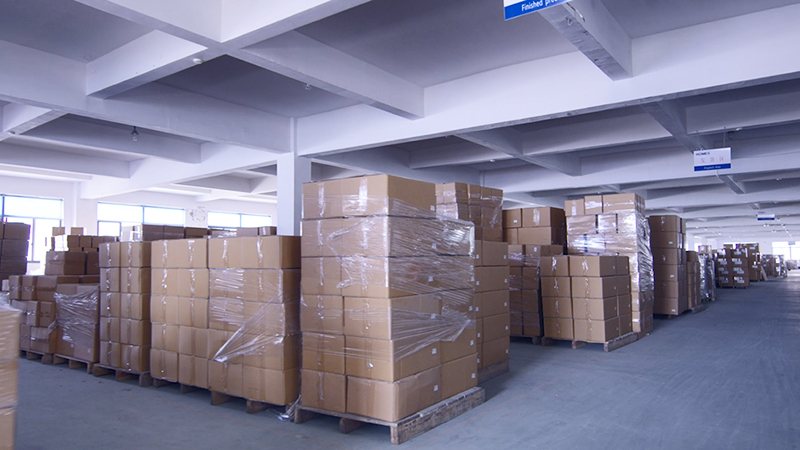
4. Request pre-packaged, barcoded boxes to streamline warehouse distribution.
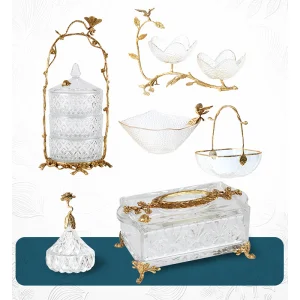
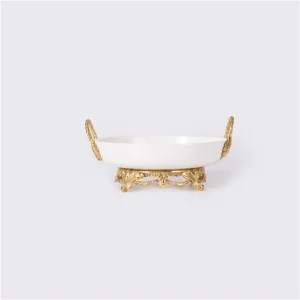
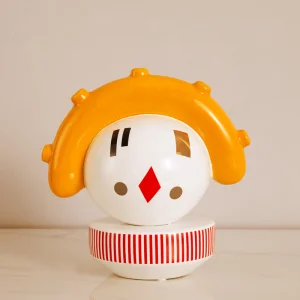
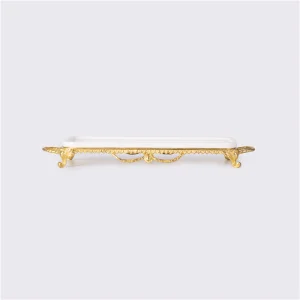
Complementary copper, ceramic, and cast brass items engineered to complete premium interior projects.
Providing direct answers to technical, logistical, and design-related inquiries for commercial hardware buyers.
 Buterfleoge