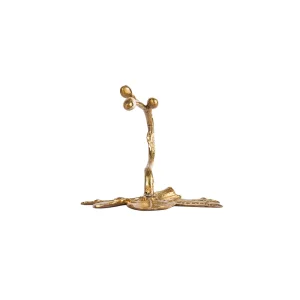
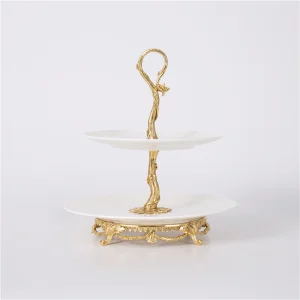
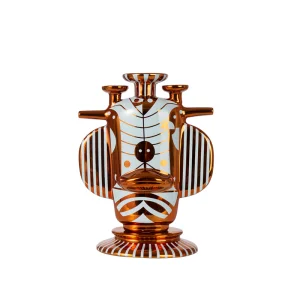
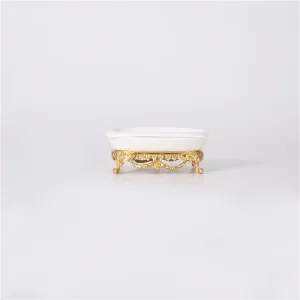
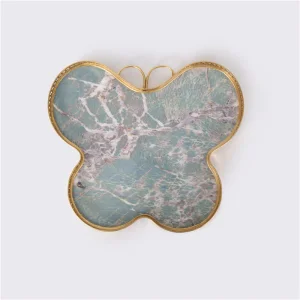
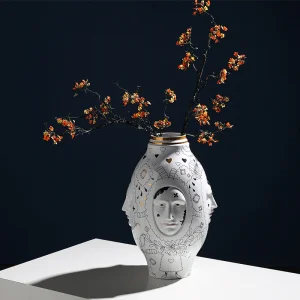
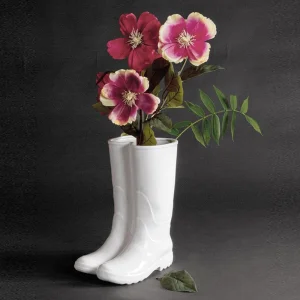
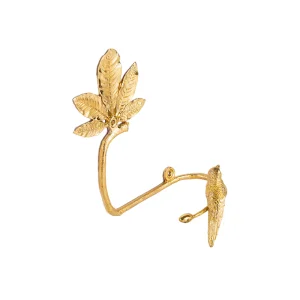
Select premium artifacts spanning our custom capabilities, lost-wax casting, and architectural accessories.
In the contemporary high-end residential development and global luxury hospitality sectors, the hardware specified for sanitary installations is no longer viewed merely as functional utility. Instead, architectural finishes like brushed brass (often specified as satin brass or muted gold) serve as vital design markers that define the spatial experience. Among these luxury fixtures, the magnifying mirror is an indispensable personal grooming element, demanding a rigorous intersection of structural engineering, precise electrochemistry, and optical perfection.
Procurement directors and commercial interior architects face a major challenge: identifying cheap brushed brass magnifying mirror factories and companies that offer substantial cost-efficiency without compromising longevity, optical accuracy, or structural reliability. From a global sourcing perspective, "cheap" must not imply low quality. It should instead represent optimized manufacturing engineering, lean supply-chain integration, and advanced automation techniques that lower production costs while maintaining compliance with international standards.
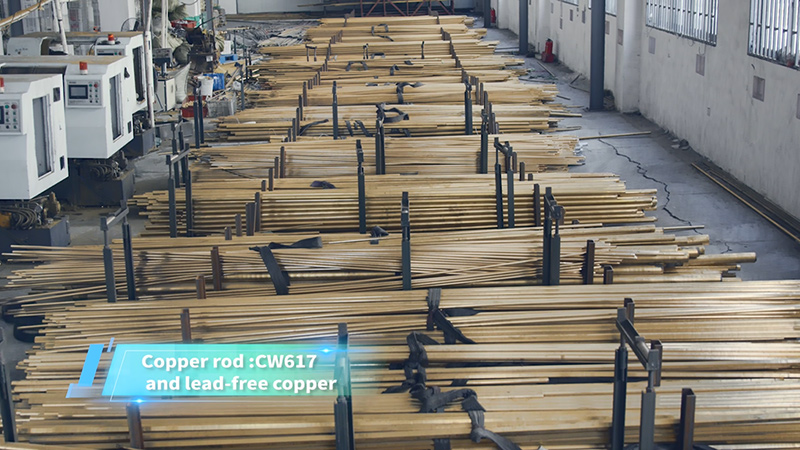
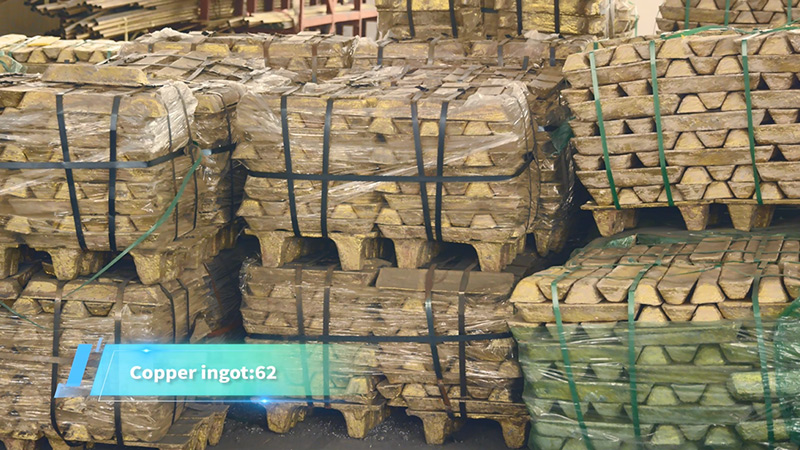
The durability of a magnifying mirror in a high-humidity bathroom environment is primarily determined by its base alloy composition and surface finishing process. Leading manufacturers utilize high-purity solid brass, specifically H59/H62 copper alloys (containing approximately 59% to 62% copper, with the balance being zinc and trace alloying elements). Standardizing on high-grade brass ensures superior corrosion resistance, high tensile strength for articulating arms, and excellent machining properties.
A vacuum deposition method where a titanium-based compound is vaporized and deposited onto the brass substrate. This creates a hard, scratch-resistant surface layer with exceptional corrosion resistance, crucial for luxury applications.
Utilizes multi-layer nickel and chrome plating, followed by a precision brushing stage, and sealed with a baked-on organic polymer nano-lacquer. This provides cost-effective, high-yield protection against tarnishing and fingerprint oils.
Premium OEM factories subject their brushed brass finishes to rigorous ASTM B117 salt spray tests, typically aiming for 240 to 480 hours of continuous exposure to ensure the finish will not peel or oxidize in damp hotel environments.
A key difference between consumer-grade mirrors and commercial-grade architectural products lies in the quality of the glass and the precision of its curvature. Magnification is achieved through concave glass geometries. Standard magnifications range from 3x to 10x. If the curvature radius (R) is not completely uniform across the entire surface of the glass, the user will experience spherical aberration and visual distortion, leading to eye strain and headaches.
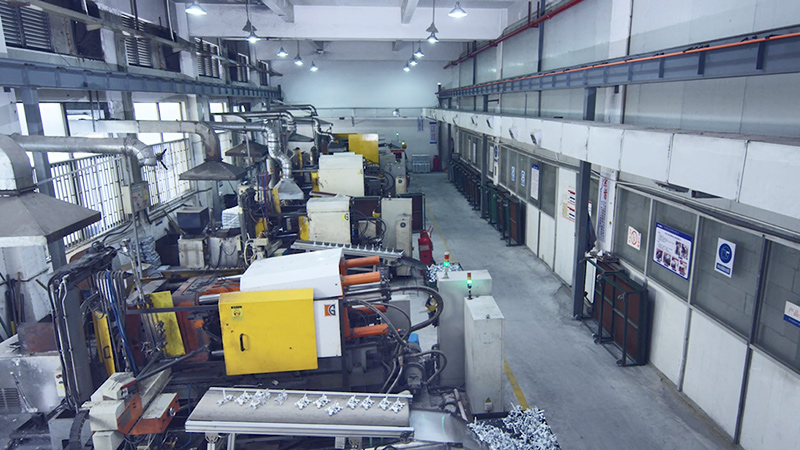
OEM factories optimized for high-quality production employ automated CNC glass grinding machines. These systems ensure that the curvature of the float glass—which has been silvered using multi-layer silver plating, copper-film protection, and waterproof protective coatings—is precise to within fractions of a millimeter. This guarantees a true, distortion-free reflection even at high magnifications.
H59 Solid Brass Base
Salt Spray Tested
CNC Machining Tolerance
Swivel Joint Cycle Life
Magnifying mirrors are deployed across diverse global environments, each with distinct regulatory requirements. In North America, commercial bathroom wall installations must comply with the Americans with Disabilities Act (ADA), specifying that projection from the wall must not exceed 4 inches if mounted within paths of travel, or must feature multi-hinged swing arms that retract completely flat.
For European Union installations, CE marking, RoHS compliance, and REACH chemical standards are mandatory, especially for illuminated magnifying mirrors (LED integrated units). These electrical units must achieve high IP (Ingress Protection) ratings, typically IP44 or higher, ensuring complete protection against water splashes in humid bathroom zones.
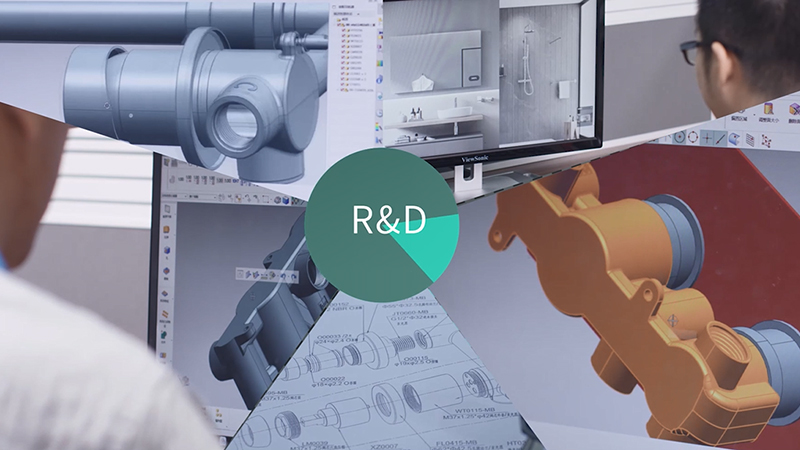
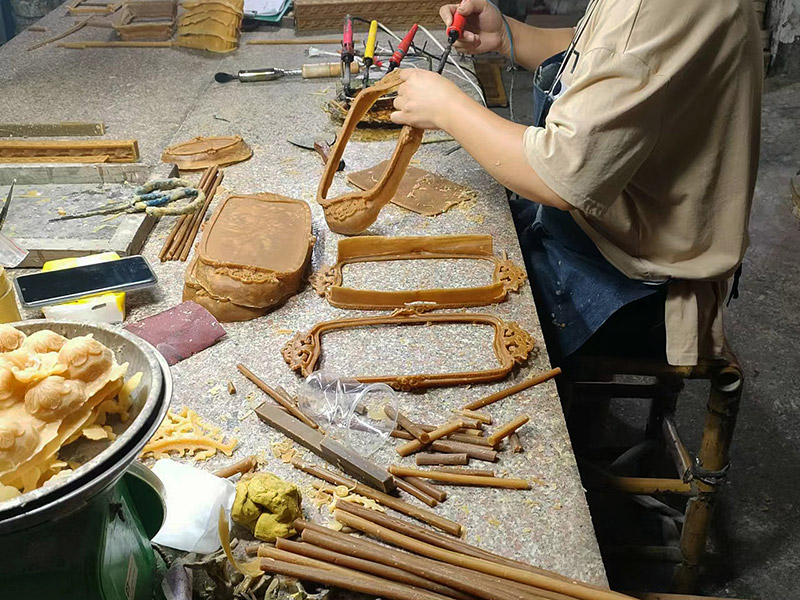
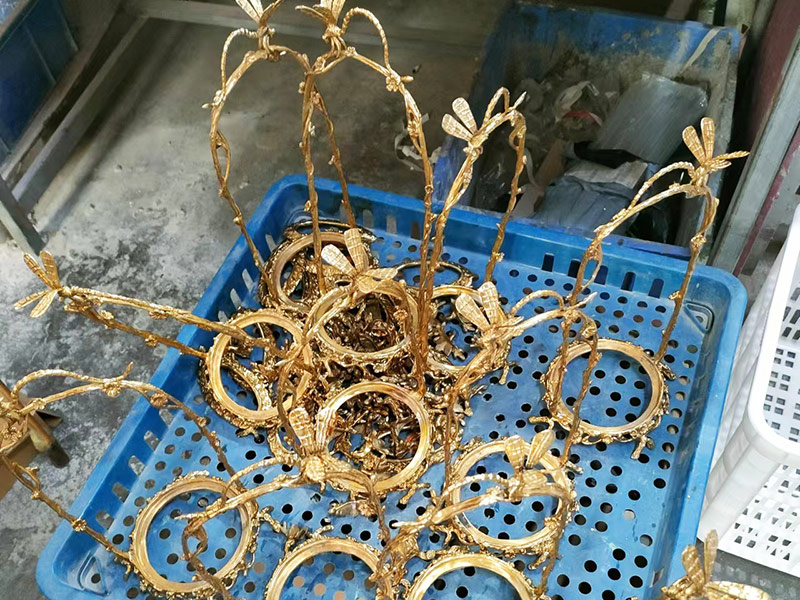
About Buterfloge: Established in 2015 and based in the manufacturing hub of Guangdong, China, Buterfloge is an integrated brand and creative platform that excels in design, research, development, and advanced customization. Bringing a unique neoclassical aesthetic to life, Buterfloge merges traditional cultural heritage with modern, comfortable design concepts. Our production facility features high-end CNC equipment and standard workshops, enabling the rapid development and delivery of custom hardware, copper handicrafts, and complete kitchen and bathroom solutions favored by boutique hotels, royal families, and design enthusiasts worldwide.
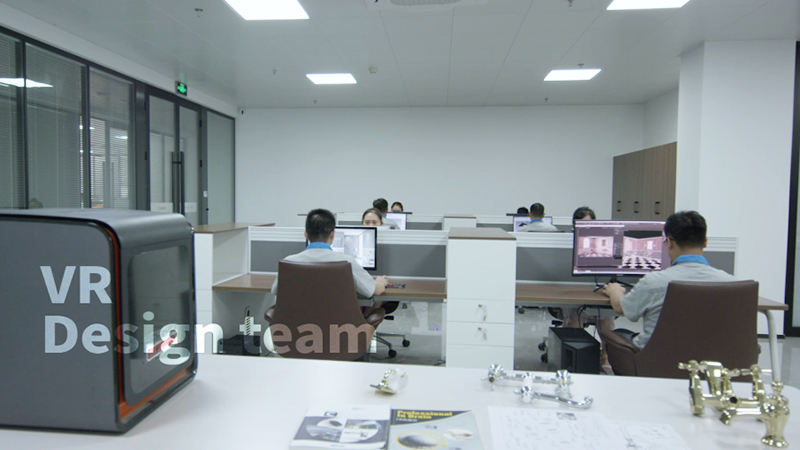

Behind the industrial precision of Buterfloge lies a deep appreciation for classical art and nostalgic elegance. Founded by Rona Chu, the brand draws inspiration from vintage antique bathroom designs and shabby chic home styles. Rona’s design philosophy is rooted in personal memories: "A retro bathroom product and fragrance can instantly transport me to fond memories. I remember my grandmother spending hours in her vanity room; her grace and poise inspired the brand's aesthetic direction. The image of a woman in an elegant 1980s slip dress enjoying nature, revealing natural grace, is what we strive to evoke."
This emotional connection to classical beauty is paired with advanced manufacturing capabilities. Our production facility relies on high-end CNC machinery and independent R&D. This allows us to translate vintage artistic ideas into robust, commercially viable sanitary ware. We cater to hotels, distributors, and custom retail agents looking for classic aesthetics backed by modern quality standards.

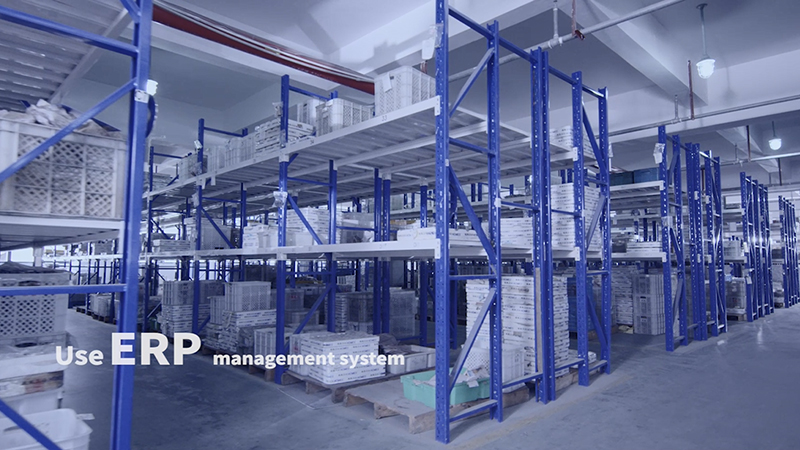
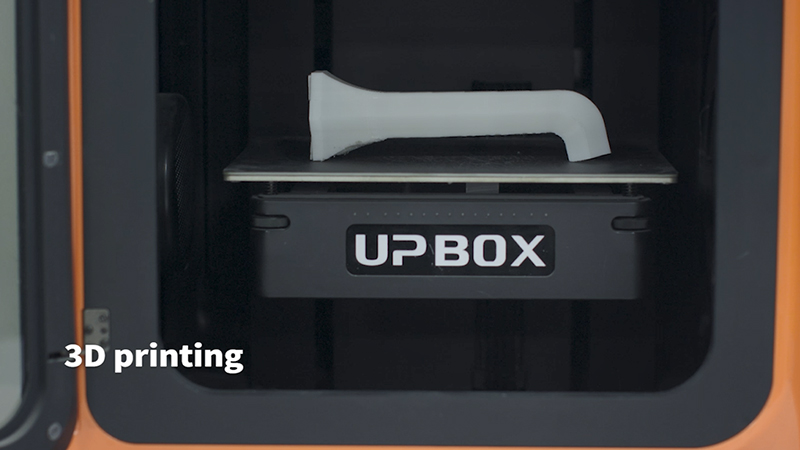
How factories are integrating optoelectronics and IoT into classic brushed brass structures.
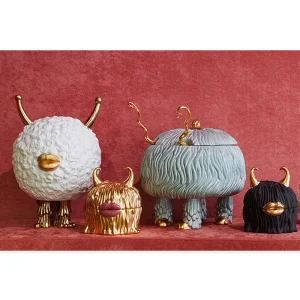
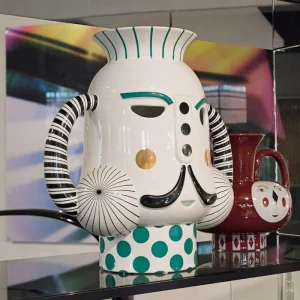
Explore our full selection of ceramic works, custom castings, and boutique interior accessories.



Answers to technical and logistics questions regarding wholesale magnifying mirror procurement.

 Buterfleoge